Remote Shutters and Wireless Connections: Capture Sharper, More Stable Photos from a Distance

Remote Shutters and Wireless Connections: Capture Sharper, More Stable Photos from a Distance
Taking photos from a distance has never been easier. With modern remote shutters and wireless connections, you can capture sharp, stable, and well-composed images—without ever touching your camera. Whether you’re shooting landscapes, portraits, wildlife, or self-portraits, a remote shutter can be one of the most underrated tools in your camera bag. Here’s a guide to how this technology can help you take better photos—and which solutions might fit your needs best.
Why Use a Remote Shutter?
Even the slightest movement when pressing the shutter button can cause camera shake, leading to blurry images—especially during long exposures or macro photography. A remote shutter eliminates this problem by allowing you to trigger the camera without physical contact.
It also gives you the freedom to step away from your camera. That’s ideal for group photos, self-portraits, or wildlife photography, where getting too close might scare off your subject.
Types of Remote Shutters
There are several types of remote shutters, and the right choice depends on how and where you shoot.
- Wired remotes – The classic option, connected to the camera with a cable. They’re reliable, don’t require batteries, and work in all weather conditions. The downside is that your range is limited by the cable length.
- Infrared remotes – These send a signal via infrared light. They’re wireless but require a clear line of sight to the camera’s sensor and typically work within 15–30 feet.
- Radio remotes – These use radio waves instead of light, so they can work through obstacles and at much greater distances—often up to 300 feet. They’re popular among nature and sports photographers.
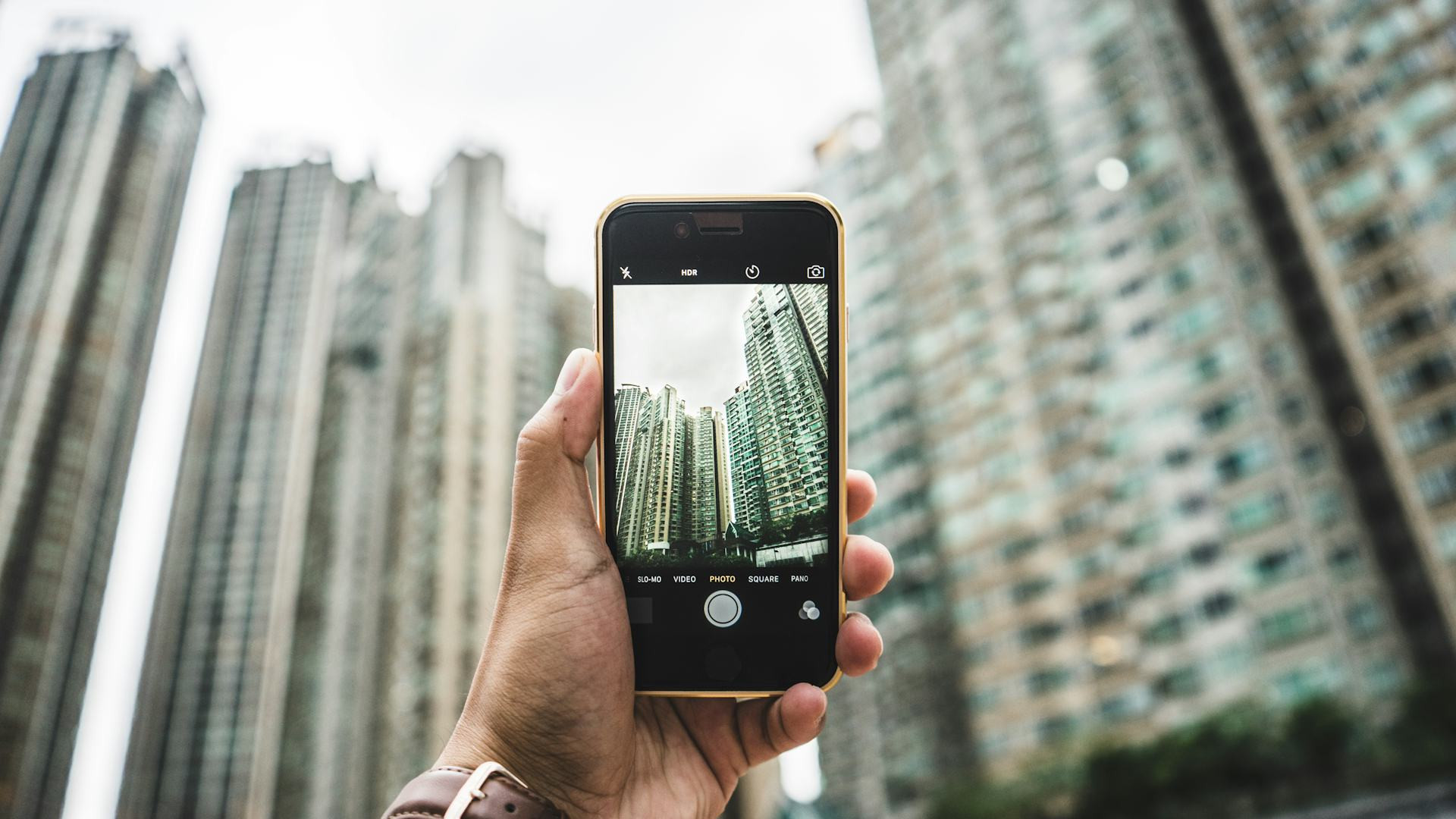
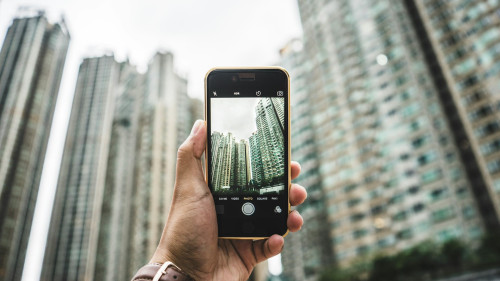
- App-based solutions – Many modern cameras come with built-in Wi-Fi or Bluetooth, allowing you to control them directly from your smartphone. You can view live images, adjust settings, and take photos with a tap on your screen.
Wireless Connections – More Than Just a Shutter
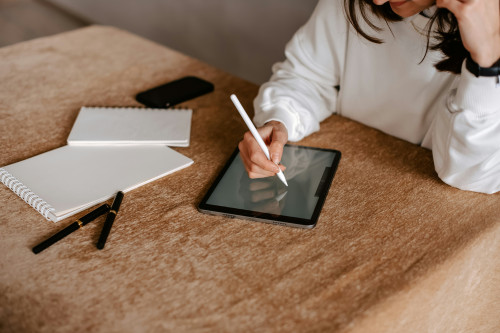
Today’s cameras and companion apps let you control nearly every aspect of your camera wirelessly. You can adjust aperture, shutter speed, ISO, and focus—all from your phone or tablet. This is especially useful for:
- Long exposures, where even a small vibration can ruin the shot.
- Astrophotography, when you want to stay warm while your camera works outside.
- Self-portraits and videos, where you can preview the frame before taking the shot.
Some apps even allow you to transfer photos directly to your device, so you can edit and share them instantly on social media or cloud storage.
Læs også:


How to Get the Most Out of Your Remote Shutter
To achieve the best results, keep these tips in mind:
- Use a tripod – A remote shutter makes the biggest difference when your camera is stable. A sturdy tripod is essential.
- Turn off image stabilization – When your camera is on a tripod, stabilization can actually introduce small movements. Disable it for maximum sharpness.
- Plan your composition – Take time to frame your shot before stepping away. If your camera supports live view through an app, use it to fine-tune your composition remotely.
- Check your batteries – Make sure your camera, remote, and any transmitters are fully charged. Bring spares for longer sessions or cold-weather shoots.
When Is It Worth the Investment?
If you often shoot in situations where stability and precision matter—such as landscapes, macro photography, night skies, or self-portraits—a remote shutter is a small investment that pays off quickly. Even a basic model can make a noticeable difference in image quality.
For more advanced photographers, a wireless solution with app control opens up new creative possibilities and greater flexibility in the field.
A Small Tool with a Big Impact
A remote shutter takes up almost no space in your bag but can make a huge difference in your photography. It gives you calm, control, and freedom—three things that often separate a good photo from a great one. Whether you choose a simple wired model or a sophisticated wireless setup, you’ll find your images becoming sharper, steadier, and more thoughtfully composed.
Læs også: