Discovering Sound Tubes for Hearing Aids
Electronics
Electronics
23/10/2024

Discovering Sound Tubes for Hearing Aids
Electronics
Electronics
23/10/2024
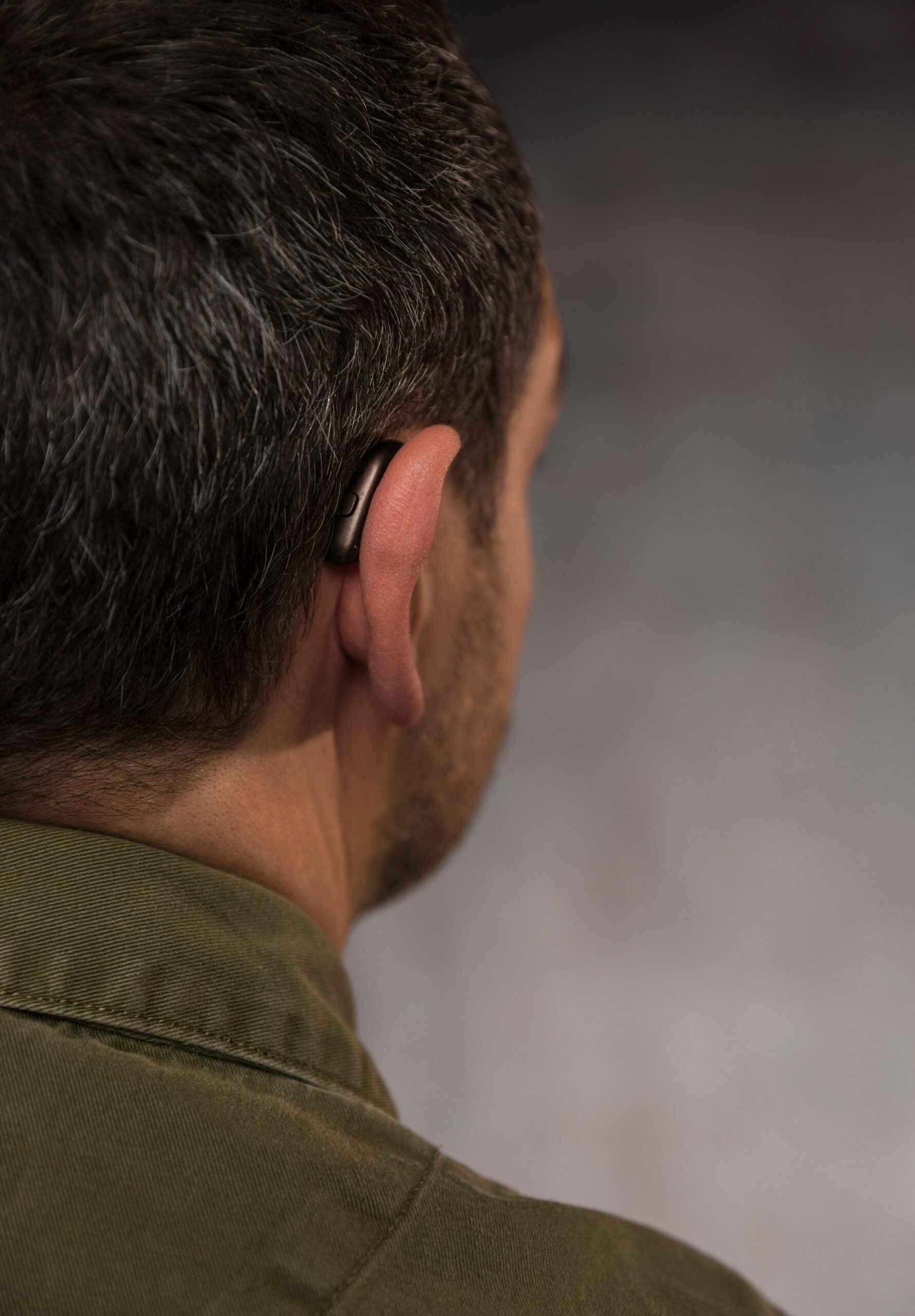
In the world of hearing aids, sound tubes are an often overlooked yet essential component. These small but mighty tubes play a significant role in ensuring that hearing aids function at their best, providing users with clear and effective sound transmission. For anyone using an open-fit device, understanding sound tubes is crucial. This post will guide you through the ins and outs of sound tubes, including their configurations, usage, and importance.
Importance of sound tubes in hearing aids
Sound tubes are vital to the performance of hearing aids. They connect the behind-the-ear component of the device to the ear itself, acting as a conduit for sound waves. Properly functioning sound tubes are essential for delivering sound in its purest form, free from interference. They help maintain the sound quality, ensuring that users receive the best possible auditory experience. The design of sound tubes allows for a natural sound experience, minimizing distortion. This is particularly important for users who rely on their hearing aids for everyday communication. Without sound tubes, the effectiveness of the hearing aid is significantly compromised, leading to potential frustrations and miscommunications. For those new to hearing aids, it's important to recognize that sound tubes require regular maintenance and replacement. They are subject to wear and tear, which can affect their performance over time. Regular checks and replacements ensure that the hearing aid continues to provide optimal sound quality.Understanding open-fit devices
Open-fit devices are a popular choice among hearing aid users due to their comfort and discreet appearance. Unlike traditional hearing aids, open-fit devices do not completely block the ear canal. Instead, they allow some natural sound to enter the ear, which can be beneficial for balancing environmental sounds with amplified ones. The design of open-fit devices includes a thin and almost invisible sound tube. This tube is responsible for transmitting the amplified sound from the hearing aid into the ear canal. Because of their design, these devices are particularly well-suited for individuals with mild to moderate hearing loss. Selecting the right open-fit device involves considering the fit and size of the sound tube. An improper fit can lead to feedback issues or discomfort. It's always recommended to consult with a hearing aid specialist to determine the best configuration for individual needs.Configurations of sound tubes
Sound tubes come in various configurations to suit different models of open-fit devices. Each configuration caters to specific hearing aid models, ensuring compatibility and optimal performance. For example, sound tubes available for ReSoundAIR and ReSound Pulse have distinct features tailored to these models. Choosing the correct configuration involves understanding the specifications of the hearing aid. Each model may require a particular size or style of sound tube. This is where guidance from a hearing aid specialist becomes invaluable, as they can recommend the appropriate configuration based on the user's specific device and hearing needs. It's also important to note that the length and diameter of sound tubes can vary. These variations impact the fit and comfort of the device, as well as its overall sound quality. Users should be mindful of these factors when selecting sound tubes to ensure they receive the best auditory experience.Selecting the right size
The size of the sound tube is a critical factor in achieving the best hearing aid performance. Sound tubes come in multiple sizes to accommodate different ear shapes and user preferences. Choosing the right size ensures comfort and prevents any potential feedback or distortion. Consulting with a hearing aid specialist is the best way to determine the correct size. Specialists can measure the ear and recommend the most suitable size, ensuring a snug and comfortable fit. This step is crucial for first-time hearing aid users or those experiencing discomfort with their current setup. In some cases, the size of the sound tube may be noted in the hearing aid's user manual. This information can be a useful starting point for users when selecting replacements or adjustments to their devices.Benefits of custom-made sound tubes
Custom-made sound tubes offer several advantages for hearing aid users. These tubes are tailored to the individual's ear shape, providing a perfect fit that enhances comfort and sound quality. Customization ensures that the sound tube functions optimally, reducing the risk of feedback and other common issues. Custom-made options are especially beneficial for individuals with unique ear shapes or those who have experienced issues with standard sizes. Having a sound tube personalized to one's anatomy can significantly improve the overall hearing aid experience. The process of obtaining custom-made sound tubes often involves an audiologist taking precise measurements of the ear. These measurements are then used to create a sound tube that fits perfectly, ensuring maximum efficiency and comfort.Maintenance and care of sound tubes
Proper maintenance and care of sound tubes are essential for extending their lifespan and ensuring the hearing aid functions effectively. Regular cleaning helps prevent blockages from earwax or debris, which can impact sound quality. Users should clean their sound tubes weekly using tools provided by their hearing aid manufacturer. In addition to cleaning, sound tubes should be inspected regularly for signs of wear and tear. Cracks, discoloration, or stiffness can indicate that a replacement is needed. Replacing sound tubes at regular intervals ensures that the hearing aid continues to perform at its best. It's important to handle sound tubes with care, especially when inserting or removing them from the hearing aid. Gentle handling prevents damage and extends the usability of the tubes, ultimately providing a better hearing experience.Troubleshooting common issues
Despite the best care, users may occasionally encounter issues with their sound tubes. Common problems include reduced sound quality, feedback, or discomfort. Understanding how to troubleshoot these issues can help users resolve them quickly and maintain optimal performance. If sound quality diminishes, it may be due to a blockage in the tube. Cleaning the tube thoroughly can often resolve this issue. For feedback or whistling sounds, checking the fit and position of the sound tube can help eliminate the problem. Discomfort can arise from an improper fit or incorrect size. Consulting with a hearing aid specialist can provide solutions tailored to the user's specific needs. Regular check-ups and adjustments ensure continued comfort and effectiveness.Get inspiration and news - sign up
Good tips. No spam. Just useful knowledge - for free.
What is your email?
Sign up
We have received your registration - thank you
I consent to the processing of my information in accordance with the policy.
Registration is voluntary and can be withdrawn at any time. Read our terms and privacy policy for details.
6 mistakes to avoid in your IT career: advice for success
Gain insight into which traps many IT professionals fall into and how you can avoid them. This e-book offers tips for career development, networking and skill building so you can advance your career in the IT industry.
Download e-book