What is shipbreaking and why is shipbreaking important?
Economy
Economy
28/02/2026

What is shipbreaking and why is shipbreaking important?
Economy
Economy
28/02/2026
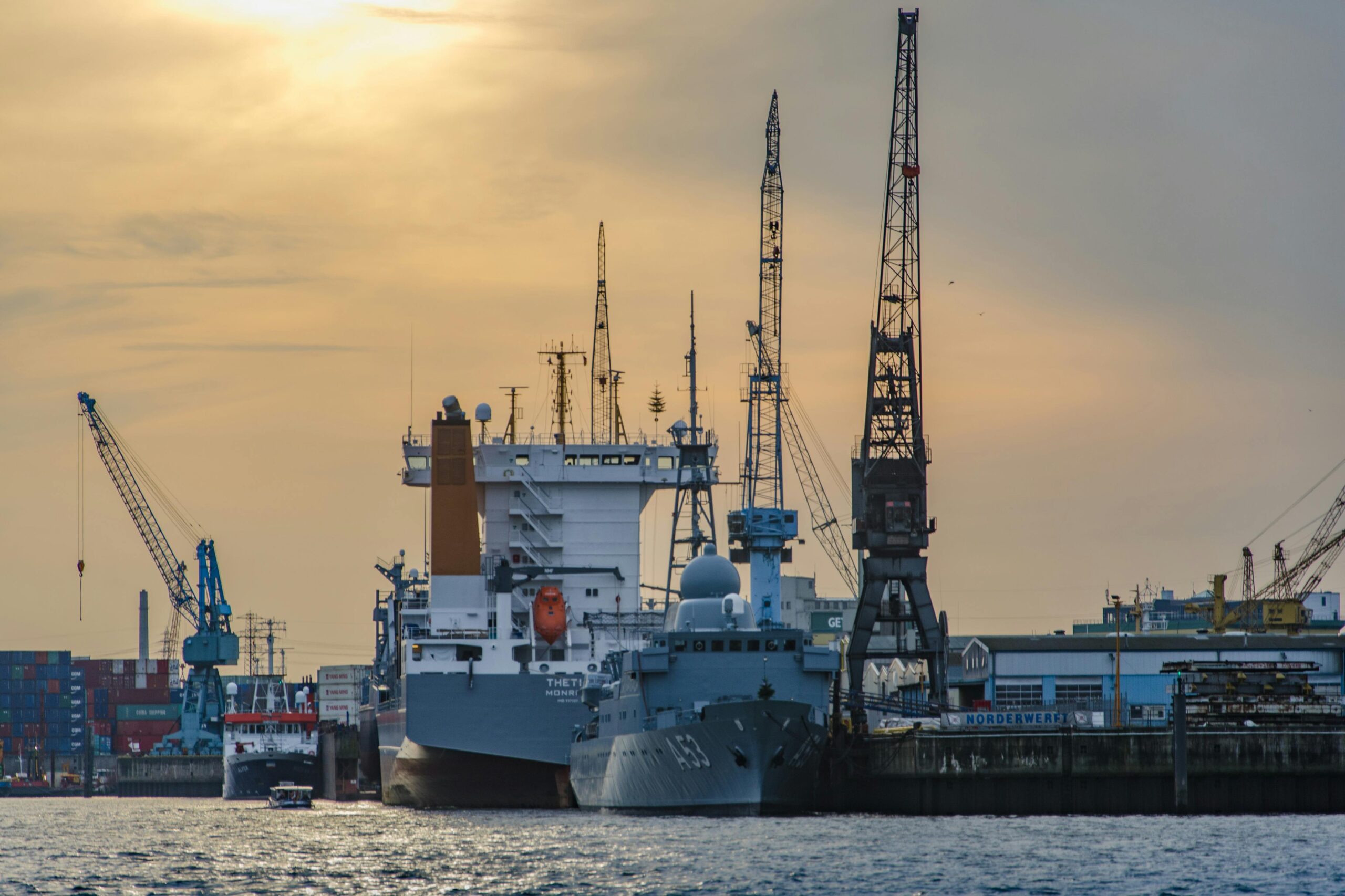
Shipbreaking is the process of dismantling ships that have reached the end of their operational life. Instead of allowing old vessels to deteriorate at sea or remain abandoned in ports, they are sent to specialized facilities where they are systematically taken apart. The purpose of shipbreaking is to recover valuable materials such as steel, copper, aluminum, and machinery, while safely managing hazardous substances.
Ships are massive structures built from thousands of tons of steel and complex mechanical systems. After 20 to 40 years of service, maintenance costs, fuel inefficiency, and regulatory requirements often make continued operation uneconomical. At this point, shipowners decide to retire the vessel and send it for shipbreaking.
Shipbreaking plays a crucial role in the global maritime industry. Without it, decommissioned ships would pose environmental hazards and safety risks. When carried out responsibly, shipbreaking allows valuable resources to be recycled and reintroduced into the global supply chain, supporting sustainability and reducing the need for new raw materials.
The shipbreaking process and how shipbreaking works in practice
The shipbreaking process begins when a shipowner sells a vessel to a recycling yard. Before dismantling starts, the ship undergoes a thorough inspection. Hazardous materials such as asbestos, oil residues, fuel, heavy metals, and chemicals are identified and carefully removed. This preparation stage is critical to ensure that shipbreaking is conducted safely. Once hazardous substances are handled, the physical dismantling begins. Large cranes, cutting torches, and heavy machinery are used to break the ship into manageable sections. In modern shipbreaking facilities, this work takes place in dry docks or on impermeable surfaces designed to prevent pollutants from leaking into the sea. As the vessel is dismantled, materials are sorted. Steel typically represents up to 90% of a ship’s total weight and is sent to steel mills for recycling. Engines, generators, furniture, and electronic systems may also be refurbished and resold. The shipbreaking process requires careful planning, skilled labor, and compliance with international safety and environmental regulations.Environmental responsibility in shipbreaking and sustainable shipbreaking
Shipbreaking can have serious environmental consequences if not managed correctly. Older ships often contain hazardous materials that were commonly used decades ago but are now restricted. Without proper procedures, toxic substances can contaminate coastal areas and marine ecosystems. To address these concerns, sustainable shipbreaking practices have been developed. The Hong Kong International Convention for the Safe and Environmentally Sound Recycling of Ships establishes global standards for responsible shipbreaking. These guidelines require shipowners to provide an Inventory of Hazardous Materials and ensure that recycling facilities meet strict safety criteria. Modern shipbreaking yards invest in containment systems, waste management infrastructure, and environmental monitoring. Fluids are drained and treated properly, and dangerous materials are disposed of according to regulatory standards. At the same time, recycling steel and other metals significantly reduces the need for mining and energy-intensive production processes. Sustainable shipbreaking therefore contributes to the circular economy by keeping valuable materials in use while minimizing environmental harm.Safety standards and labor conditions in shipbreaking operations
Shipbreaking is physically demanding and potentially hazardous work. Workers handle heavy steel plates, operate cutting equipment at high temperatures, and navigate complex internal ship structures. For this reason, safety is a central concern in modern shipbreaking operations. Historically, some shipbreaking activities—particularly beach-based dismantling in certain regions—have been criticized for poor working conditions and limited environmental protection. In these cases, ships were driven directly onto beaches and dismantled without adequate infrastructure. However, international awareness and regulatory pressure have led to improvements. Certified shipbreaking facilities now provide protective equipment, worker training programs, medical support, and structured safety procedures. Mechanical lifting equipment and improved cutting technologies also reduce physical strain and accident risk. Ensuring safe shipbreaking not only protects workers but also enhances efficiency and reduces environmental impact.The global shipbreaking industry and the economics of shipbreaking
Shipbreaking is a significant global industry. Countries such as India, Bangladesh, Pakistan, and Turkey host some of the world’s largest shipbreaking yards. The industry provides employment for thousands of workers and contributes substantially to local economies. The economic value of shipbreaking lies primarily in the recovery of steel and other reusable materials. A large container ship can contain tens of thousands of tons of recyclable steel. This material is melted down and reused in construction, infrastructure, and manufacturing. Global scrap steel prices influence the profitability of shipbreaking. When steel demand is high, the value of retired vessels increases. Shipowners may time the sale of their ships based on market conditions. In recent years, European countries have also invested in advanced shipbreaking facilities that comply with strict environmental and labor standards. These facilities aim to provide responsible alternatives to less regulated practices.The future of shipbreaking and technological advances in shipbreaking
The future of shipbreaking is shaped by stronger regulations, improved transparency, and technological innovation. Digital documentation systems now track the materials used in ship construction from the very beginning. The Inventory of Hazardous Materials (IHM) ensures that when shipbreaking eventually occurs, recycling facilities know exactly what substances are onboard. Technological advances in cutting equipment, waste separation, and environmental monitoring continue to improve efficiency and safety. Automation and mechanization may further reduce risks for workers by minimizing direct exposure to hazardous conditions. There is also growing emphasis on “design for recycling,” meaning that ships are increasingly designed with future shipbreaking in mind. By selecting recyclable materials and planning for easier dismantling, shipbuilders can simplify the recycling process decades later. As the global fleet ages and environmental standards tighten, shipbreaking will remain an essential part of the maritime lifecycle. When conducted responsibly, shipbreaking represents not the end of a ship’s value, but the beginning of a new phase where materials, machinery, and components are reintroduced into productive use. Through innovation, regulation, and commitment to sustainability, shipbreaking can continue evolving into a safer and more environmentally sound industry.Get inspiration and news - sign up
Good tips. No spam. Just useful knowledge - for free.
What is your email?
Sign up
We have received your registration - thank you
I consent to the processing of my information in accordance with the policy.
Registration is voluntary and can be withdrawn at any time. Read our terms and privacy policy for details.

6 mistakes to avoid in your IT career: advice for success
Gain insight into which traps many IT professionals fall into and how you can avoid them. This e-book offers tips for career development, networking and skill building so you can advance your career in the IT industry.
Download e-book