From Basement Hobby to Cultural Phenomenon: Gaming’s Road to the Mainstream

From Basement Hobby to Cultural Phenomenon: Gaming’s Road to the Mainstream
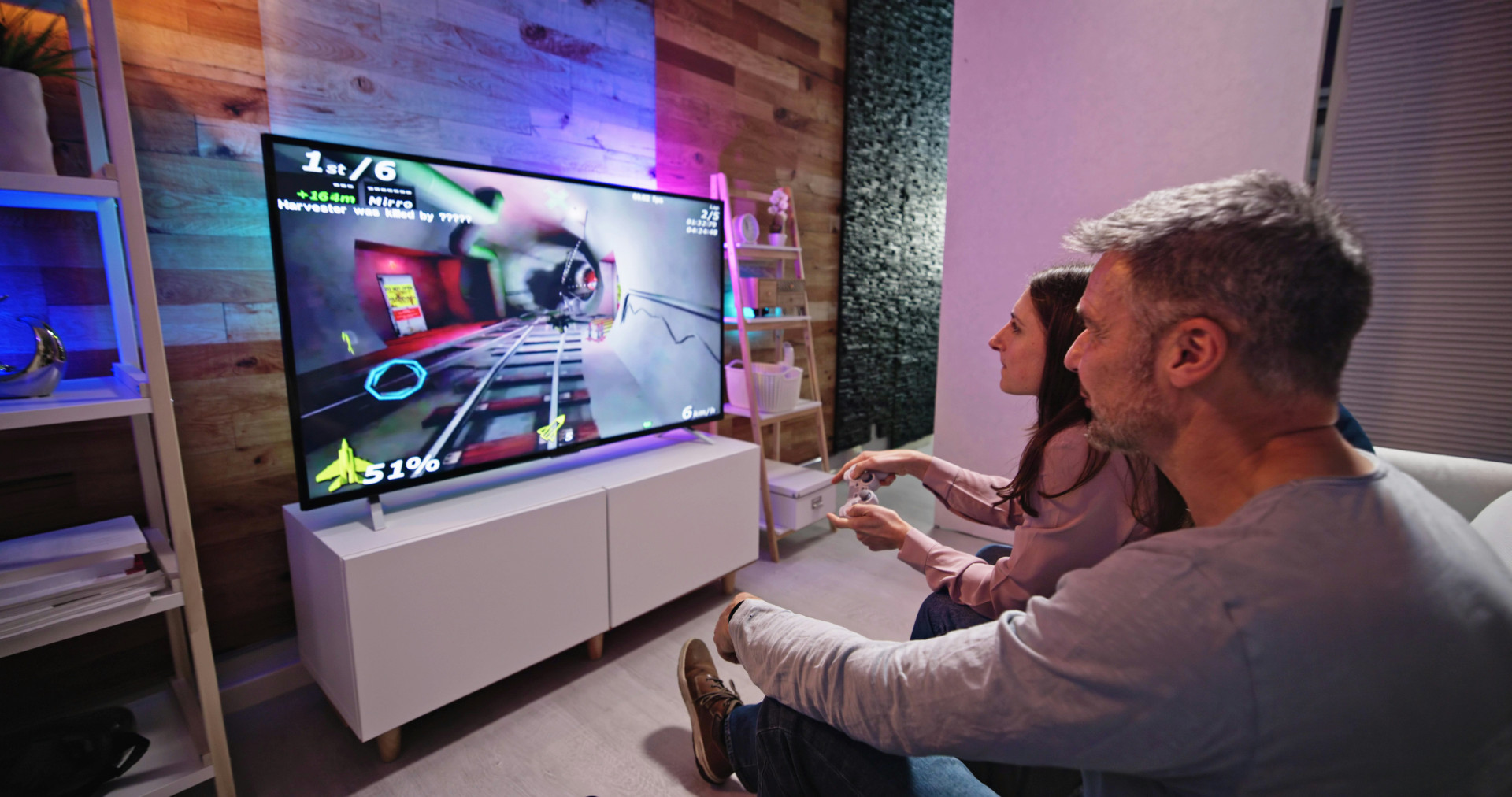
Just a few decades ago, gaming was often seen as a niche pastime—something that happened in suburban basements or college dorms, far from the cultural spotlight. Today, that image feels almost quaint. Video games have become one of the largest entertainment industries in the world, rivaling film and music in both revenue and cultural influence. How did gaming evolve from a hobby for the few into a defining force of modern culture in the United States and beyond?
From Pixels to Pop Culture
The earliest video games of the 1970s and 1980s were simple in both graphics and gameplay, but they laid the foundation for a new form of entertainment. Titles like Pong, Space Invaders, and Super Mario Bros. became cultural touchstones, proving that interactive media could capture the imagination in ways no other medium could. As technology advanced, games grew more complex—visually, narratively, and emotionally.
By the 1990s and early 2000s, gaming had entered the mainstream. Consoles like the PlayStation, Nintendo 64, and Xbox brought gaming into living rooms across America, while the personal computer became a hub for both work and play. Games began telling stories that rivaled Hollywood blockbusters, and characters like Lara Croft, Sonic the Hedgehog, and Master Chief became pop culture icons.
Læs også:


The Internet Revolution and the Power of Community
The rise of the internet transformed gaming from a solitary activity into a global social experience. Online multiplayer titles such as World of Warcraft, Counter-Strike, and Call of Duty connected players across continents, creating communities that blurred the line between friendship and fandom.
Streaming platforms like Twitch and YouTube Gaming have since turned gaming into a spectator sport. Millions tune in daily to watch their favorite streamers play, comment, and connect with audiences in real time. Gaming is no longer just something people do—it’s something they watch, discuss, and share as part of a collective experience.
The Rise of Esports
Few developments illustrate gaming’s mainstream breakthrough as clearly as the rise of esports. Professional players now compete for multimillion-dollar prizes in front of packed arenas and massive online audiences. Tournaments for games like League of Legends, Fortnite, and Valorant are broadcast on major networks and covered by mainstream sports media.
Esports has also entered the educational sphere. High schools and universities across the U.S. now offer esports programs, scholarships, and courses in game design, teamwork, and digital strategy. What was once dismissed as a time-wasting hobby is now recognized as a discipline that demands focus, collaboration, and technical skill.
Gaming as Culture and Identity
Today, gaming is more than entertainment—it’s a cultural language. Music, fashion, and film draw inspiration from game worlds, and many young Americans see gaming as a key part of their identity. Virtual spaces like Minecraft and Roblox serve as creative playgrounds where players build, design, and share their own experiences.
At the same time, gaming has become a platform for exploring issues of representation, ethics, and community. Games can challenge norms, tell diverse stories, and create spaces for reflection—just like any other art form. From indie titles tackling mental health to blockbuster games exploring moral choices, the medium continues to expand its cultural reach.
The Future: Blurring the Boundaries
With technologies like virtual reality, augmented reality, and cloud gaming, the boundaries between play, work, and social life are becoming increasingly fluid. Gaming is no longer something we “enter”—it’s woven into our digital routines. From fitness apps that gamify exercise to virtual concerts inside online worlds, interactive design is shaping how we learn, connect, and experience entertainment.
The journey from basement hobby to cultural phenomenon is a story of innovation, creativity, and community. Gaming has grown up alongside the digital age, transforming not only how we play but how we live. It’s no longer about who plays—it’s about how we all play a part in the evolving story of modern culture.
Læs også: