Move More with Your Phone: How Gamification Motivates Physical Activity

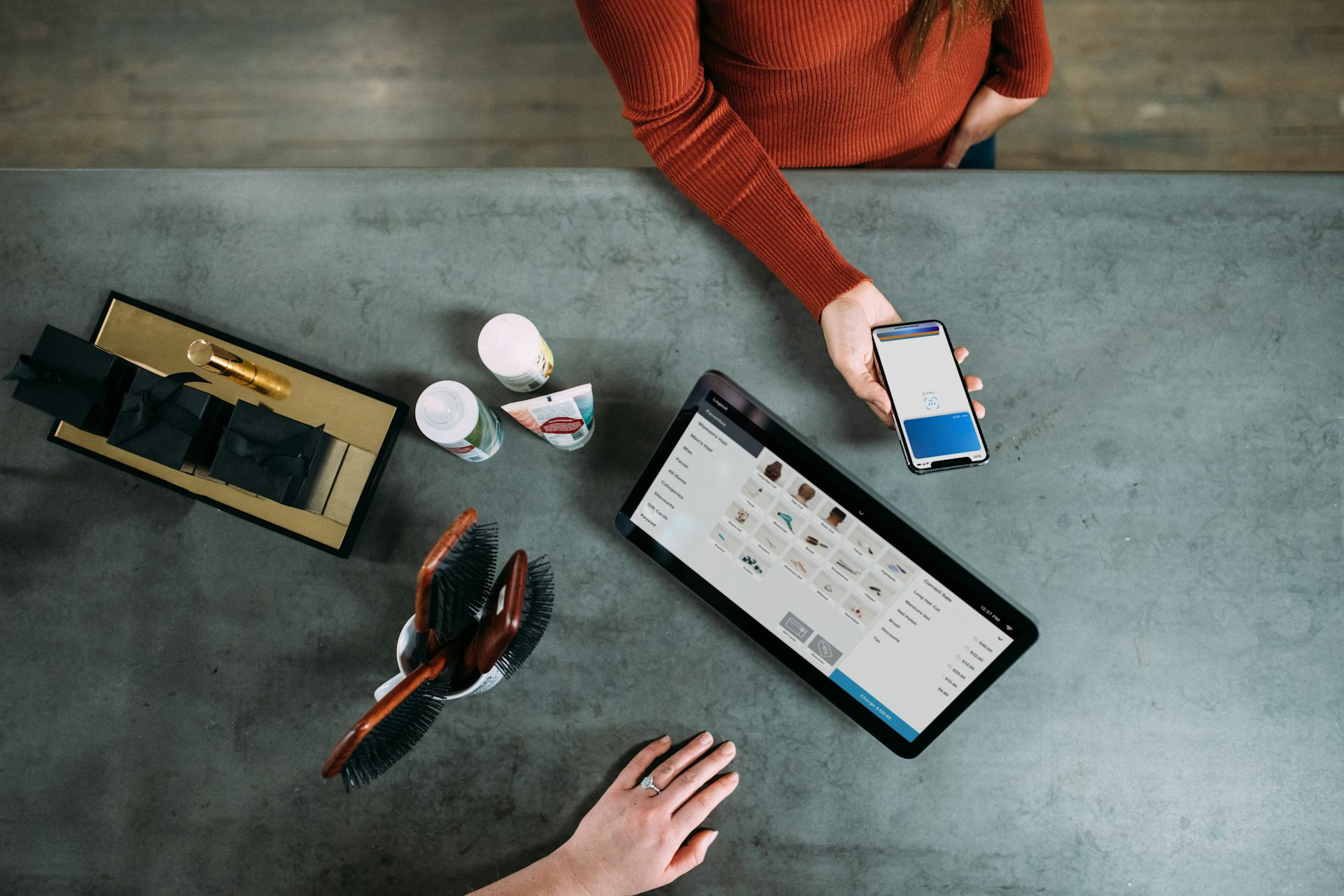
Move More with Your Phone: How Gamification Motivates Physical Activity
Most of us know we should move more during the day—but finding the motivation can be tough when the couch and our screens are calling. In recent years, a new trend has made it easier and more fun to get up and get active: gamification. By using game mechanics like points, levels, and rewards, many apps turn physical activity into something that feels like play. But how does it actually work—and which approaches are most effective?
When Exercise Becomes a Game
Gamification means applying elements from games to other areas of life. In fitness, that might mean earning points for your steps, competing with friends, or unlocking virtual achievements when you hit your goals. It taps into our natural desire to play, compete, and make progress.
A simple step counter used to just show a number. Now, it’s often part of a game world. You might “feed” a virtual pet with your steps, collect coins for new challenges, or join a weekly competition with coworkers. These small rewards make movement feel instantly satisfying—and that makes it easier to stick with.
Popular Apps That Get You Moving
There are now countless apps that use gamification to encourage physical activity. Here are a few popular types among U.S. users:
- Step counters with rewards – Apps like Sweatcoin and StepBet turn your steps into points or even small prizes. It’s a tangible way to see your effort pay off.
- Running and cycling apps with challenges – Strava and Nike Run Club let you compare your performance, join virtual races, and earn badges for new personal records.
- Story-based fitness games – In Zombies, Run!, you become part of an adventure where you have to run to escape zombies and collect supplies. It turns your workout into an experience.
- Virtual communities – Platforms like Zwift let you ride or run in digital worlds alongside other users in real time. The social element adds extra motivation.
What they all have in common is that they make movement more engaging—and they appeal to different types of motivation, from competition and community to play and reward.
Why Gamification Works
Research shows that gamification can boost both motivation and consistency when it comes to physical activity. When you get feedback, rewards, and visible progress, your brain’s reward system lights up—the same system that makes games and social media so addictive.
Gamification also creates a sense of mastery. When you see yourself improving or completing a challenge, you want to keep going. It’s a form of positive reinforcement that many traditional workout plans lack.
But it’s not just about external rewards. For many people, the game elements help them rediscover the joy of movement itself. When exercise feels fun, it’s easier to make it a habit.
How to Use Your Phone as a Fitness Partner
If you want to use gamification to move more, the key is finding an app that fits your personality and lifestyle. Here are a few tips:
- Set realistic goals. Start small so you can experience success early on.
- Choose an app that motivates you. If you’re competitive, pick one with leaderboards. If you prefer play, try a story-based app.
- Use the community. Many apps have groups or challenges where you can share your results. That social support can make a big difference.
- Celebrate your progress. Whether it’s earning a badge, hitting a new record, or simply staying active every day for a week—acknowledge it.
The most important thing is to enjoy the process. When movement becomes something you look forward to, you’re far more likely to keep it up.
Læs også:
The Future of Gamification and Health
Gamification is still evolving, and new technologies like augmented reality and artificial intelligence are opening up even more possibilities. We’re already seeing games that require real-world movement to explore virtual spaces—like Pokémon GO did—and apps that adjust challenges based on your mood or activity level.
In the future, gamification could become part of healthcare itself, with doctors and physical therapists using game-based tools to support rehabilitation and prevention. It’s not just about getting people to move more—it’s about making movement meaningful and motivating.
A Game That Makes You Healthier
Being active doesn’t have to feel like a chore. With your phone in hand and the right game mechanics, exercise can become something you actually enjoy. Gamification shows that motivation isn’t only about willpower—it’s about creating experiences that make doing the right thing feel rewarding.
So next time you pick up your phone, consider making it your workout partner. The game you play might just be the thing that gets you moving.
Læs også: