Open Source as a Green Driving Force: Sustainable Technological Development

Open Source as a Green Driving Force: Sustainable Technological Development
When we talk about sustainability, most people think of electric cars, recycling, and renewable energy. But in the digital world, there’s another movement working toward a more sustainable future—not through physical products, but through code, collaboration, and shared knowledge. Open source is not just a technological philosophy; it’s a green driving force that can help create a more responsible and resource-efficient digital ecosystem.
What Does Open Source Really Mean?
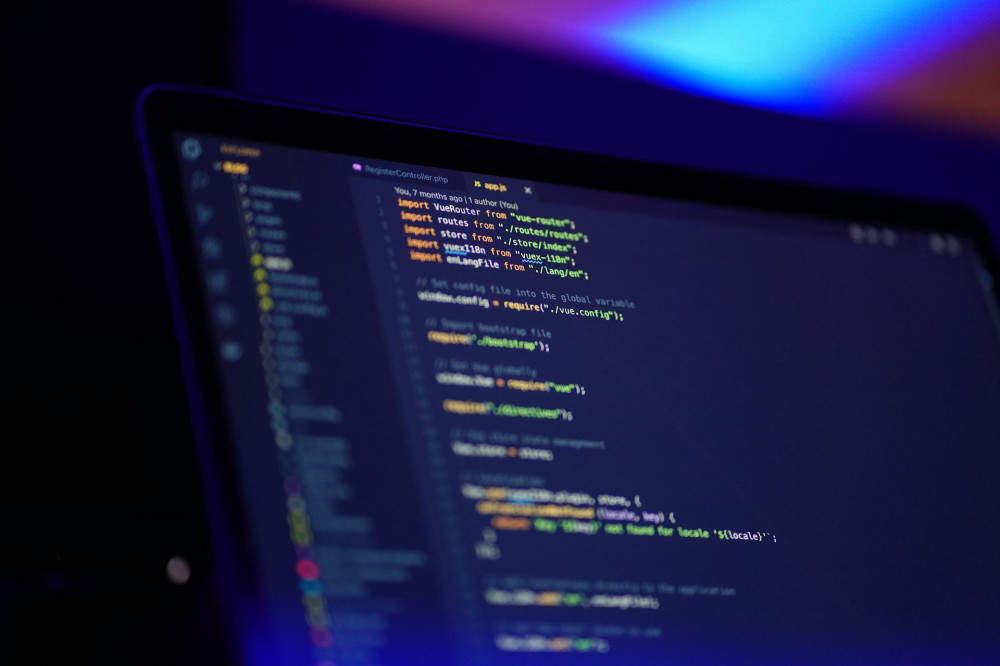
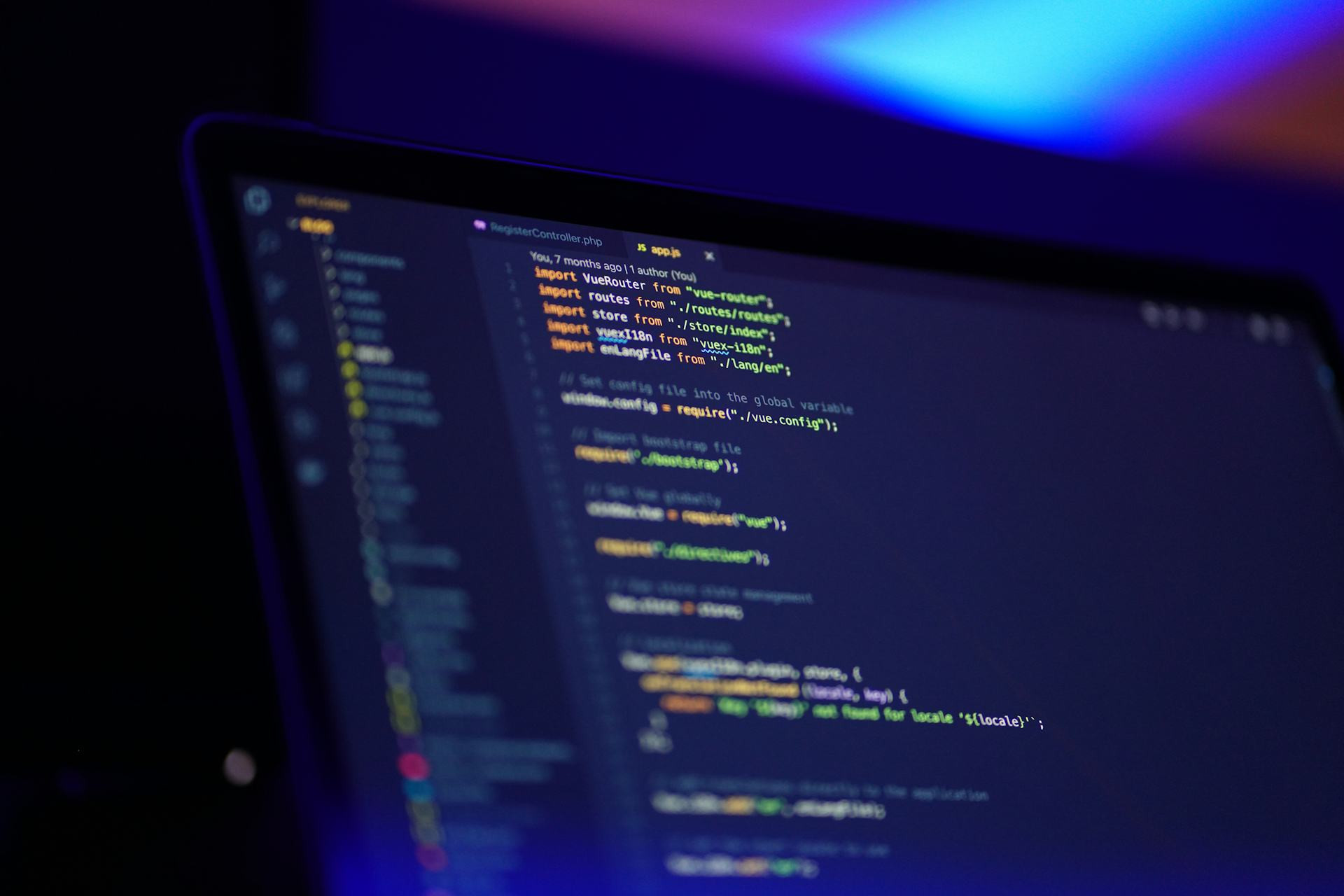
Open source means that the source code of a program is freely available for anyone to view, modify, and improve. This openness allows developers to build upon existing work instead of reinventing the wheel. The result is less duplication, faster innovation, and a more efficient use of time, energy, and computing resources.
This collaborative model has produced some of the world’s most influential technologies—Linux, Apache, Kubernetes, and countless others. But open source is more than free software; it’s a culture built on transparency, community, and reuse.
Reducing Waste Through Shared Technology
In a world where digital solutions evolve at lightning speed, open source helps reduce technological waste. When code and solutions are shared openly, organizations avoid spending energy and resources developing the same tools multiple times. This leads to fewer redundant systems, lower energy consumption, and a more efficient use of existing infrastructure.
For example, open source projects in cloud computing—such as OpenStack or Kubernetes—enable companies to optimize server capacity and reduce energy use. Instead of each business running its own isolated, inefficient systems, they can collaborate on shared, energy-efficient platforms that scale sustainably.
Green Innovation Through Collaboration
Open source accelerates innovation by allowing many minds to contribute ideas and improvements. This collective approach means sustainable solutions can be developed faster and adapted more flexibly. Projects like the Open Energy Modelling Initiative and OpenStreetMap demonstrate how shared data and tools can support renewable energy planning, transportation optimization, and sustainable urban development.
When knowledge is open, it becomes easier for researchers, companies, and public institutions to work together toward environmental goals. This creates a kind of collective intelligence—where everyone, from a university lab to a small startup, can contribute to greener technology.
A Sustainable Alternative to Closed Tech Economies
Many large tech corporations rely on proprietary systems, patents, and closed ecosystems. While profitable, these models can limit innovation and create dependency on specific vendors. Open source offers an alternative: a more democratic, transparent, and adaptable way to develop technology.
Because open source software can be customized to local needs, it’s also a tool for global equity. In regions with limited resources but growing digital demands, open source provides affordable, adaptable solutions. It’s not only a path toward technological sustainability but also social and economic inclusion.
Læs også:


Challenges and Shared Responsibility
Despite its promise, open source also comes with challenges. Projects need maintenance, security oversight, and community support to thrive. Many open source initiatives rely on volunteers, and without proper funding or institutional backing, they can struggle to survive.
That’s why it’s crucial for both private companies and public organizations to give back—not just by using open source, but by contributing to it. This can mean writing code, improving documentation, providing financial support, or participating in community governance. Sustainable technology requires sustainable communities.
Toward a Sustainable Digital Future
Open source shows that sustainability isn’t only about materials and energy—it’s also about how we collaborate and share knowledge. By opening technology, we can create solutions that are more efficient, accessible, and responsible.
As the United States continues to invest in green innovation and digital transformation, open source can serve as the quiet engine driving progress forward—efficiently, transparently, and collectively. It’s proof that sustainability can be written not just in policy or design, but in code.
Læs også: