Digital Economy as a Driver of Economic Inclusion


How technology is reshaping access to finance and opportunity for all
Economy
Economy
5 min
The rise of the digital economy is changing the way people work, trade, and manage money. From mobile banking to digital education, new technologies are helping bridge economic gaps and create more inclusive growth—if the right challenges are met.
Serenity Diaz
Serenity
Diaz

Digital Economy as a Driver of Economic Inclusion

How technology is reshaping access to finance and opportunity for all
Economy
Economy
5 min
The rise of the digital economy is changing the way people work, trade, and manage money. From mobile banking to digital education, new technologies are helping bridge economic gaps and create more inclusive growth—if the right challenges are met.
Serenity Diaz
Serenity
Diaz

The digital economy has transformed how Americans work, shop, and manage their finances. From mobile banking and online payment platforms to cryptocurrencies and peer-to-peer lending, technology has opened new doors for people who were once excluded from traditional financial systems. But how can the digital economy truly become a driver of economic inclusion—and what challenges must be addressed along the way?

What Does Economic Inclusion Mean?

Economic inclusion means ensuring that everyone—regardless of income, location, or background—has access to essential financial services such as savings, credit, insurance, and payment systems. While financial exclusion is often associated with developing countries, millions of Americans also face barriers to full participation in the economy. Rural communities, low-income households, and unbanked individuals often struggle to access affordable financial tools.

When more people can save, borrow, and invest securely, they gain the ability to start businesses, handle emergencies, and plan for the future. This not only strengthens individual financial stability but also fuels broader economic growth.

Mobile Technology as a Gateway

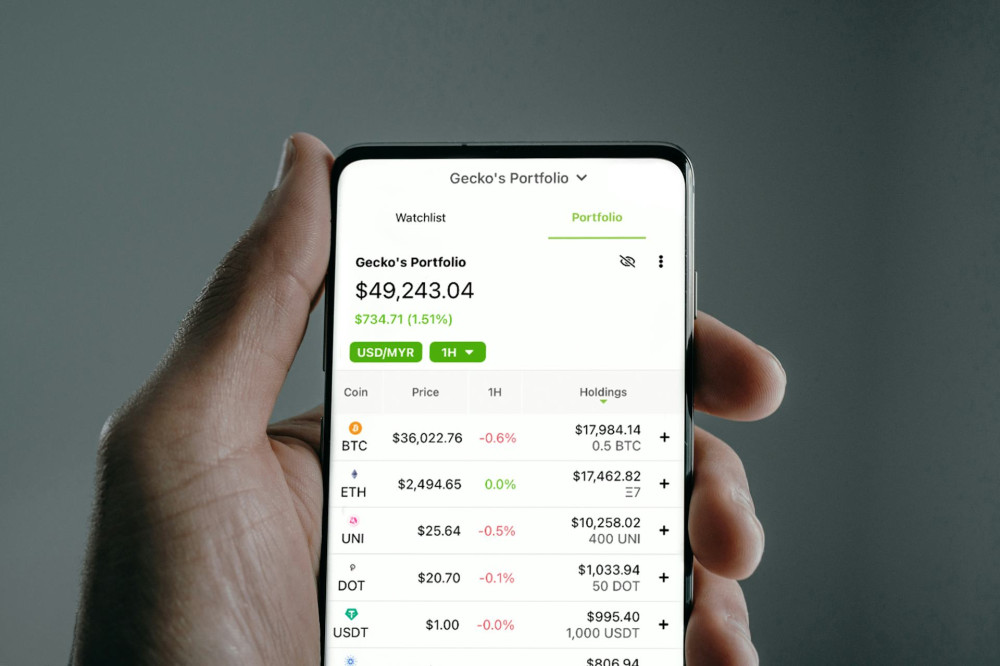
One of the most visible examples of digital inclusion is the rise of mobile payments. In the United States, services like Venmo, Cash App, and Apple Pay have made it easier for people to send and receive money instantly, even without a traditional bank branch nearby. For gig workers, small business owners, and young consumers, mobile technology has become the primary gateway to the financial system.

In rural areas, where physical bank branches have closed in recent years, mobile banking apps and digital wallets can bridge the gap—provided that reliable internet access is available. Expanding broadband infrastructure is therefore a key part of ensuring that digital finance reaches everyone.

Digital Platforms and Access to Capital

Digital platforms have also made it easier for small businesses and individuals to access capital. Online lending, crowdfunding, and microfinance platforms allow entrepreneurs to raise funds outside traditional banking channels. For example, small business owners who might not qualify for a bank loan can turn to digital lenders that use alternative data—such as payment history or customer reviews—to assess creditworthiness.

However, this innovation comes with new responsibilities. Data privacy, algorithmic fairness, and transparency are essential to ensure that digital credit systems do not reinforce existing inequalities. Regulators and technology companies must work together to create systems that are both inclusive and ethical.

Education and Digital Literacy as Keys to Inclusion

Technology alone cannot guarantee inclusion. To fully benefit from the digital economy, people need the skills and confidence to use digital tools safely and effectively. Many older adults, low-income families, and people with limited digital literacy risk being left behind as more services move online.

Public education programs, community organizations, and financial institutions can play a vital role in closing this digital divide. Initiatives that teach digital literacy, cybersecurity awareness, and online financial management can empower more Americans to participate in the digital economy on equal terms.

Regulation and Trust

Trust is the foundation of any economy—especially a digital one. Consumers must feel confident that their money and personal data are secure. In the U.S., regulations such as the Consumer Financial Protection Bureau’s oversight of digital lenders and emerging state-level privacy laws aim to protect users while encouraging innovation.

Finding the right balance between regulation and flexibility will be crucial. Overregulation could stifle innovation, while too little oversight could expose consumers to fraud and exploitation. Building a trustworthy digital financial ecosystem requires collaboration between government, industry, and civil society.

A Shared Opportunity for Inclusive Growth

The digital economy offers a powerful opportunity to reduce inequality and expand access to prosperity. But inclusion will not happen automatically—it requires intentional design, equitable access to technology, and a commitment to education and fairness.

When digital tools are developed with accessibility, transparency, and trust in mind, they can do more than drive growth—they can help build a more inclusive and resilient American economy.

6 mistakes to avoid in your IT career: advice for success
Gain insight into which traps many IT professionals fall into and how you can avoid them. This e-book offers tips for career development, networking and skill building so you can advance your career in the IT industry.
Download e-book
Digital Economy as a Driver of Economic Inclusion
How technology is reshaping access to finance and opportunity for all
Economy
Economy
Digital Economy
Economic Inclusion
Financial Technology
Digital Literacy
Inclusive Growth
5 min
The rise of the digital economy is changing the way people work, trade, and manage money. From mobile banking to digital education, new technologies are helping bridge economic gaps and create more inclusive growth—if the right challenges are met.
Serenity Diaz
Serenity
Diaz
Discover Changes in Your Spending with Automatic Spending Reports
Gain a clearer view of your finances with smart, automatic insights
Economy
Economy
Personal Finance
Budgeting
Money Management
Financial Planning
Saving Tips
5 min
Discover how automatic spending reports can help you understand your spending habits, identify changes in your expenses, and find new ways to save. Learn how this simple tool can support better budgeting and financial awareness.
Sophia Moore
Sophia
Moore
Blockchain in Insurance: Faster and More Accurate Payouts
How blockchain technology is transforming insurance with transparency and speed
Economy
Economy
Blockchain
Insurance
Technology
Automation
Digital Transformation
3 min
Discover how blockchain is reshaping the insurance industry by automating claims, reducing fraud, and ensuring faster, more accurate payouts. Learn how this technology is paving the way for a more efficient and trustworthy insurance process.
Ryan Phillips
Ryan
Phillips
Personal Financial Advice with AI – Learning on Your Own Terms
Discover how AI can make personal finance simpler, smarter, and tailored to your lifestyle
Economy
Economy
Personal Finance
Artificial Intelligence
Financial Planning
Money Management
Technology
3 min
Learn how artificial intelligence is transforming personal financial advice by offering customized insights, flexible learning, and greater control over your money. Explore how AI tools can help you budget, save, and invest—on your own terms.
Ember Taylor
Ember
Taylor
Take Control of Your Subscriptions: Digital Tools That Help You Stay on Top
Stay in control of your recurring payments with smart digital solutions
Economy
Economy
Subscriptions
Personal Finance
Budgeting
Digital Tools
Money Management
7 min
Subscriptions can easily pile up and drain your budget without notice. Discover the best digital tools to track, manage, and cancel unwanted subscriptions — and take back control of your monthly spending.
Camila Hall
Camila
Hall
Segmentation Made Simple: Discover Differences and Patterns in Your Data
Turn complex data into clear insights with simple segmentation techniques
Tech
Tech
Data Analysis
Segmentation
Business Insights
Data Visualization
Marketing Analytics
3 min
Learn how to divide your data into meaningful groups to uncover patterns, differences, and trends. This guide shows you how to get started with segmentation using practical steps and accessible tools—no advanced technical skills required.
Serenity Diaz
Serenity
Diaz
Relax in VR: Virtual Reality as Mental Unwinding
Discover how virtual reality is transforming relaxation and mental wellness
Tech
Tech
Virtual Reality
Mental Health
Mindfulness
Technology
Wellness
5 min
Step into a new dimension of calm. Explore how virtual reality is being used beyond gaming to promote mindfulness, reduce stress, and support emotional balance. Learn how VR experiences can help you unwind and recharge in a digital world.
Sophia Moore
Sophia
Moore
Future technology should feel natural – here’s how to make it happen in practice
How human-centered design can make advanced technology feel effortless and intuitive
Tech
Tech
Future Technology
Human-Centered Design
Artificial Intelligence
Digital Well-Being
Innovation
6 min
As technology becomes more integrated into our lives, the challenge is to make it feel natural rather than overwhelming. This article explores how designers, developers, and innovators can create future technologies that adapt to people—blending seamlessly into daily routines while supporting well-being and ethical use.
Ryan Phillips
Ryan
Phillips
Health Data in Your Hands: How IoT Gives You Insight into Your Body
Discover how connected devices turn everyday data into powerful insights about your health
Tech
Tech
Internet of Things
Health Technology
Wearables
Data Privacy
Personal Health
3 min
From fitness trackers to smart scales, the Internet of Things is transforming how we understand our bodies. Learn how these technologies collect, analyze, and share health data—helping you make informed choices, stay motivated, and take control of your well-being.
Ember Taylor
Ember
Taylor