Internet of Things in the Home: When Your House Becomes Smart

Internet of Things in the Home: When Your House Becomes Smart
Imagine walking into a house that adjusts the temperature to your liking, turns on the lights as you enter, and reminds you that you’re out of milk. It might sound futuristic, but for many Americans, this is already part of everyday life. The Internet of Things – or IoT – has transformed our homes into connected, intelligent spaces that offer comfort, convenience, and efficiency. But what does it really mean when your house becomes “smart,” and how can you make the most of it?
What Is the Internet of Things?
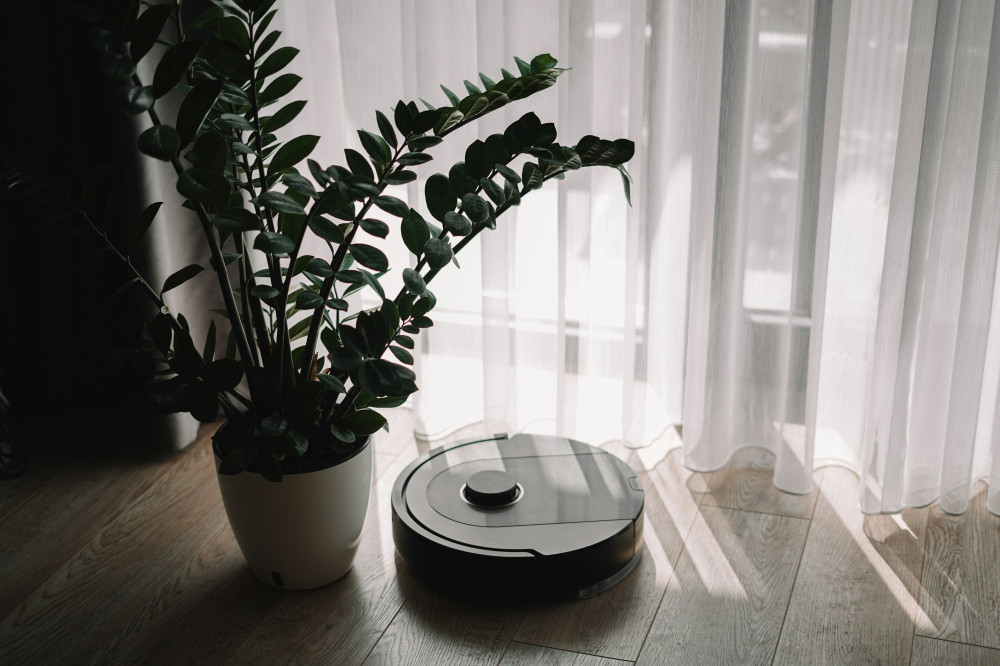
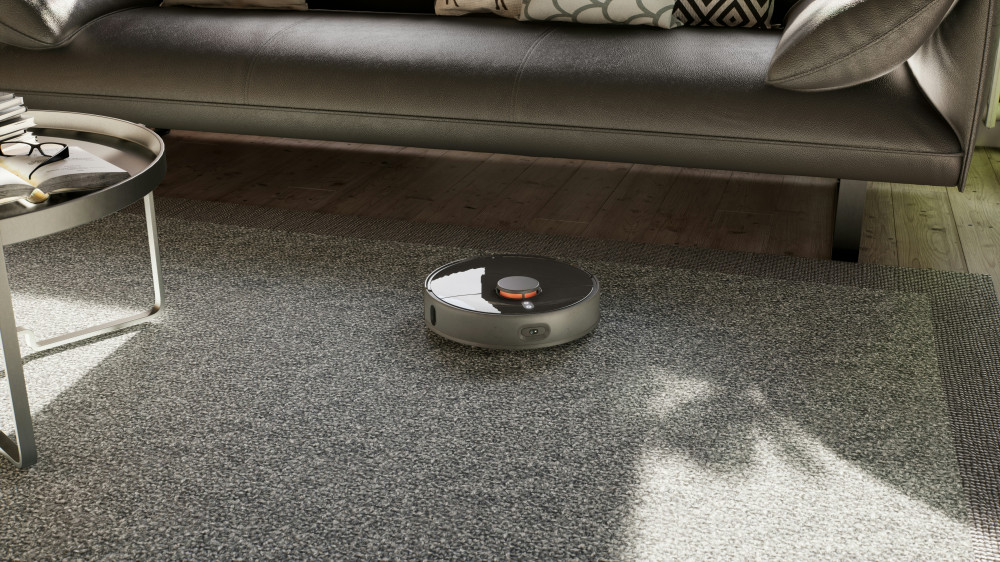
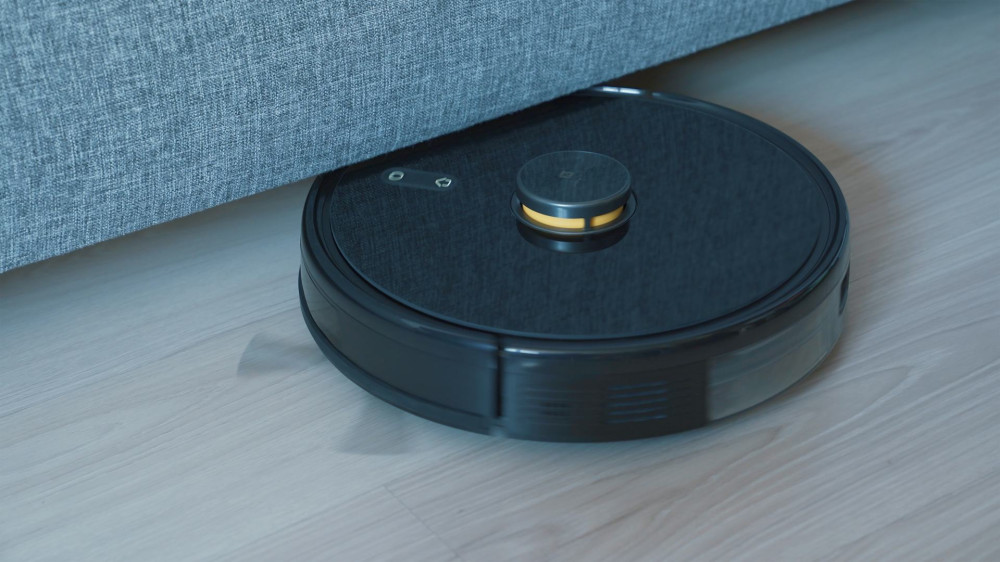
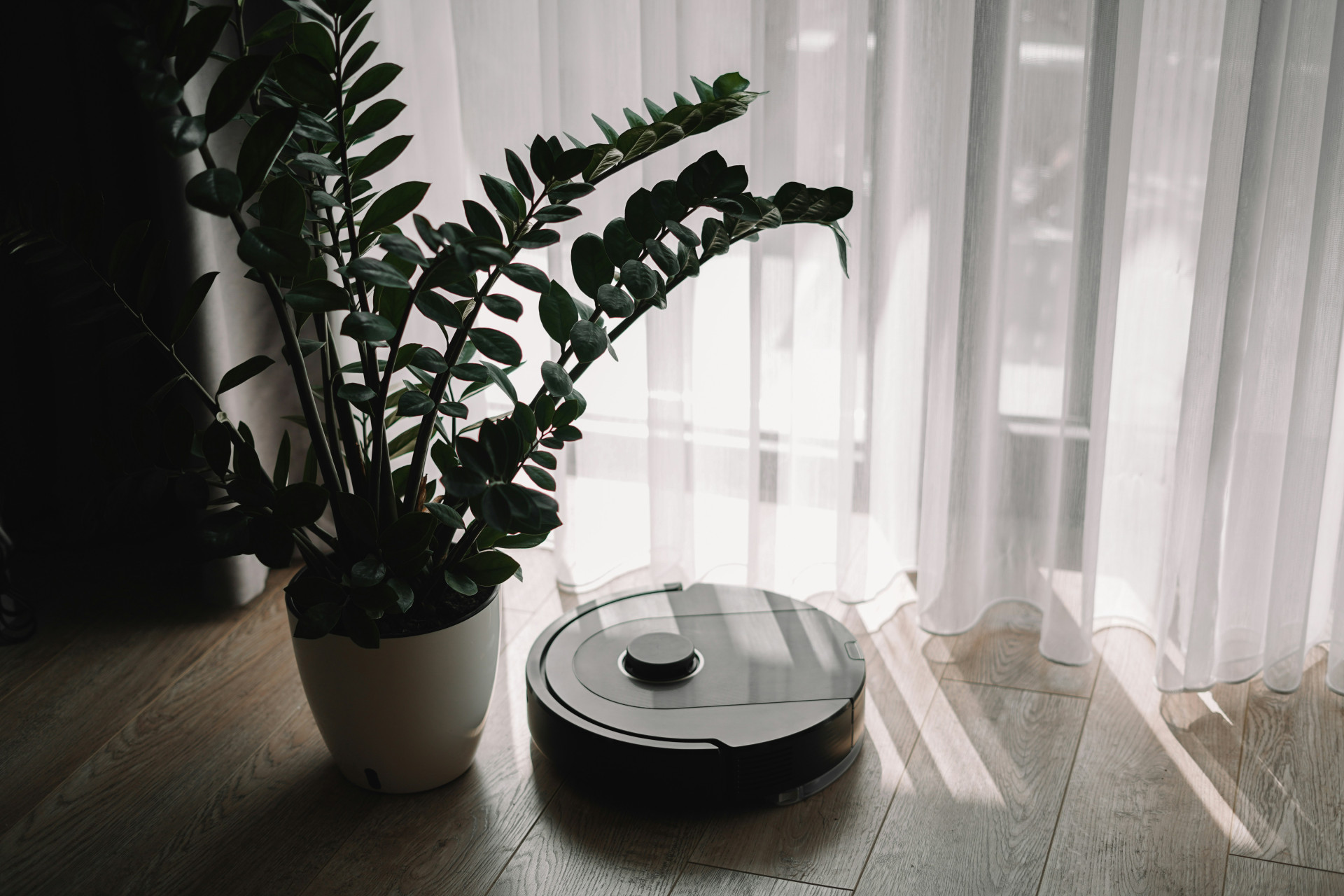
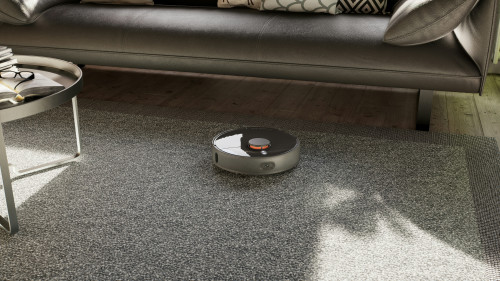
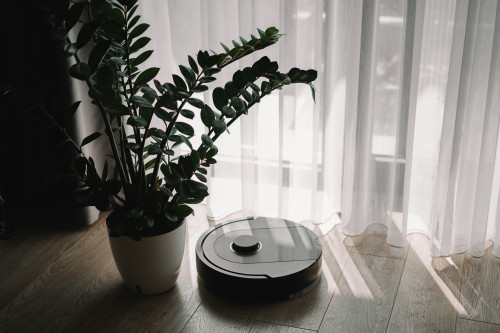
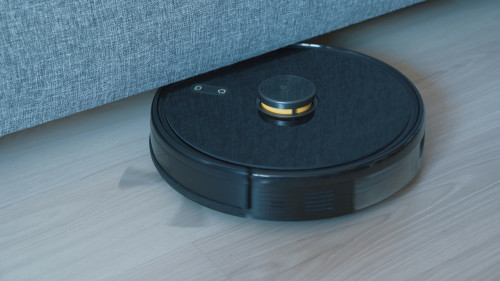
The Internet of Things refers to the network of physical devices connected to the internet that can collect and share data. In the home, this includes everything from thermostats and light bulbs to refrigerators, doorbells, and vacuum cleaners. These devices can be controlled through apps, voice commands, or automated routines that respond to your habits.
In a smart home, technology works quietly in the background to make daily life easier. You can preheat your home before you arrive, get an alert if motion is detected outside, or have your coffee maker start brewing when your alarm goes off. IoT isn’t just about convenience—it’s also about efficiency, safety, and sustainability.
Comfort and Control at Your Fingertips
One of the biggest advantages of a smart home is the level of comfort and control it provides. With a few taps on your phone—or a simple voice command—you can manage lighting, temperature, and even entertainment systems. Many devices can learn your preferences and adjust automatically.
- Smart lighting can dim or change color based on the time of day or your mood.
- Smart thermostats adjust heating and cooling according to your schedule and local weather.
- Voice assistants like Amazon Alexa, Google Assistant, or Apple’s Siri can control multiple devices and help manage your day.
This level of personalization not only makes life more comfortable but can also save time and energy.
Energy Efficiency and Sustainability
IoT technology plays a growing role in making homes more energy-efficient and environmentally friendly. By monitoring and optimizing energy use, smart systems can reduce waste and lower utility bills.
A smart energy setup might:
- Turn off devices that are left on standby.
- Adjust heating or cooling when no one is home.
- Integrate with solar panels or home batteries to make the most of renewable energy.
For many homeowners, this means a smaller carbon footprint and long-term savings—without sacrificing comfort.
Safety and Peace of Mind
Smart homes aren’t just about convenience—they also enhance security. Connected cameras, sensors, and alarms can send real-time alerts to your phone if something unusual happens.
You can see who’s at your door even when you’re away, or get a notification if smoke, water leaks, or unexpected movement is detected. For seniors or people with special needs, IoT devices can also provide reassurance by notifying family members if something seems off.
Læs også:

Challenges and Considerations
While the benefits are clear, smart homes also come with challenges. The more devices you connect, the more important cybersecurity becomes. Hackers can target poorly protected systems, so it’s essential to choose reputable brands, keep software updated, and use strong passwords.
Compatibility can also be an issue. Not all devices work seamlessly together, which can make setup frustrating. Choosing a unified platform—such as Amazon Alexa, Google Home, or Apple Home—can simplify control and ensure your devices communicate effectively.
Getting Started
You don’t need to transform your entire house overnight. Start small with a few devices that make sense for your lifestyle—perhaps a smart plug, a thermostat, or a set of connected lights. Once you’re comfortable, you can expand your system step by step.
Think about what matters most to you: saving energy, improving security, or adding convenience. The best smart home setups are those that genuinely enhance your daily life rather than just adding gadgets for the sake of it.
The Future of the Connected Home
The evolution of IoT is far from over. In the coming years, artificial intelligence will make smart homes even more intuitive—anticipating your needs, learning your routines, and coordinating across multiple platforms. The goal is a home that doesn’t just respond to you but actively supports your lifestyle.
When your house becomes smart, it’s not just about technology—it’s about creating a living space that works for you. A home that’s safer, more efficient, and more comfortable, where innovation and everyday life blend seamlessly.
Læs også: