Know Your Energy Use – The First Step Toward Smart Energy Management

Know Your Energy Use – The First Step Toward Smart Energy Management
Most of us only think about our electricity bill when it arrives in the mail or shows up in our inbox. But in a time when energy prices fluctuate and sustainability is becoming a national priority, understanding your energy use is more important than ever — not just for your wallet, but for the planet. Knowing how and when you use electricity is the first step toward smart energy management at home.
Why Knowing Your Energy Use Matters
It may sound simple, but many Americans don’t actually know how much energy their household consumes — or which appliances use the most. Is it the refrigerator, the clothes dryer, or the always-on electronics in standby mode? Once you gain insight into your energy habits, you can start making informed changes.
The average U.S. household uses about 10,500 kWh of electricity per year, according to the U.S. Energy Information Administration. But the difference between an inefficient and an energy-efficient home can amount to hundreds of dollars annually. By understanding your usage patterns, you can identify the biggest energy drains and decide where to focus your efforts — whether that means changing habits or investing in smarter technology.
Læs også:
How to Get a Clear Picture of Your Energy Use
There are several ways to track and understand your energy consumption — from simple tools to advanced smart systems.
- Check your utility’s online tools or app. Most electric utilities now offer detailed breakdowns of your energy use by day or even by hour. This helps you see when your household consumes the most power.
- Use plug-in energy monitors. These small devices plug into an outlet and measure how much electricity an appliance uses. It can be eye-opening to see how much that old freezer or gaming console costs to run.
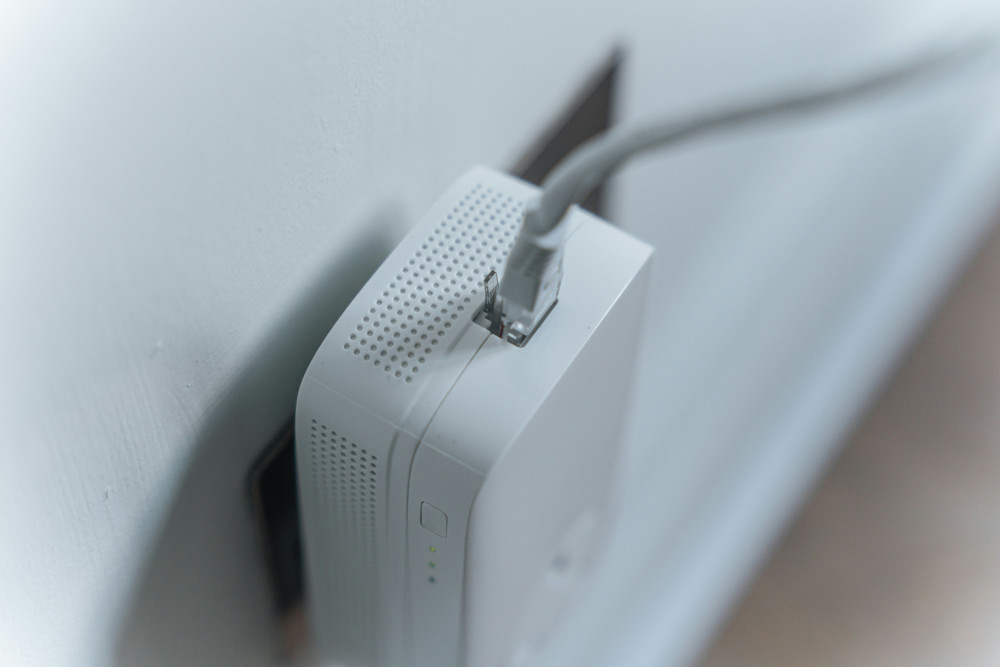
- Install a smart home energy system. Smart meters and connected devices can track your home’s energy use in real time. Some systems even analyze your data and suggest ways to save energy and money.
Turning Data Into Action
Knowing your energy use is just the beginning. The next step is to act on that knowledge. Here are a few practical ways to make a difference:
- Shift usage to off-peak hours. In areas with time-of-use pricing, electricity costs less during certain hours — often late at night or midday. Smart appliances can be programmed to run when rates are lowest.
- Automate your routines. Smart thermostats and lighting systems can automatically adjust when you leave home or when rooms aren’t in use, reducing waste without sacrificing comfort.
- Optimize heating and cooling. Heating and air conditioning account for nearly half of a home’s energy use. Smart thermostats can learn your schedule and adjust temperatures efficiently, saving both energy and money.
- Watch out for standby power. Many devices draw electricity even when turned off. Smart power strips can cut power to electronics that aren’t in use.
What Smart Energy Management Really Means
Smart energy management is about using technology to make your energy use more efficient and responsive. It can be as simple as an app that tracks your consumption or as advanced as a fully integrated system that controls lighting, heating, and appliances automatically.
The goal isn’t just to save money — it’s to use energy more wisely and reduce strain on the power grid. When many households manage their energy intelligently, it contributes to a more stable and sustainable energy system for everyone.
Small Steps, Big Impact
You don’t need to invest in a full smart home setup right away. Start by becoming aware of your energy use. Measure it, observe it, and experiment with small changes. Often, even modest adjustments can make a noticeable difference — both on your electric bill and in your environmental footprint.
Once you understand how your home uses energy, it becomes much easier to take the next step: letting technology help you manage it smartly.
Læs også: