Light Beyond the Sun: Automate Your Smart Outdoor Lighting


Light Beyond the Sun: Automate Your Smart Outdoor Lighting
Outdoor lighting today is about far more than just finding your keys after dark. With modern smart home technology, you can create safety, atmosphere, and energy efficiency — all automatically. By letting your lights follow the rhythm of the sun and your daily routines, you can make your yard, patio, or driveway both functional and inviting all year round. Here’s a guide to automating your outdoor lighting so it works for you — not the other way around.
Why Automate Your Outdoor Lights?
Automated lighting brings both comfort and security. When your lights turn on and off by themselves, you don’t have to remember — and you avoid wasting electricity. A well-lit home also deters unwanted visitors, especially when the lighting changes naturally instead of staying on all night.
Beyond safety, smart lighting can enhance your outdoor ambiance. A warm, dim glow in the evening invites relaxation, while brighter light near entryways makes it easier to navigate after dark.
Getting Started
Before diving into installation, think about what you want to achieve. Is your goal safety, atmosphere — or both? That will determine which products and sensors you should choose.
- Choose compatible bulbs and fixtures. Many systems — such as Philips Hue, Ring, Wyze, or Govee — offer outdoor-rated smart bulbs and fixtures that can be controlled via app or voice assistant.
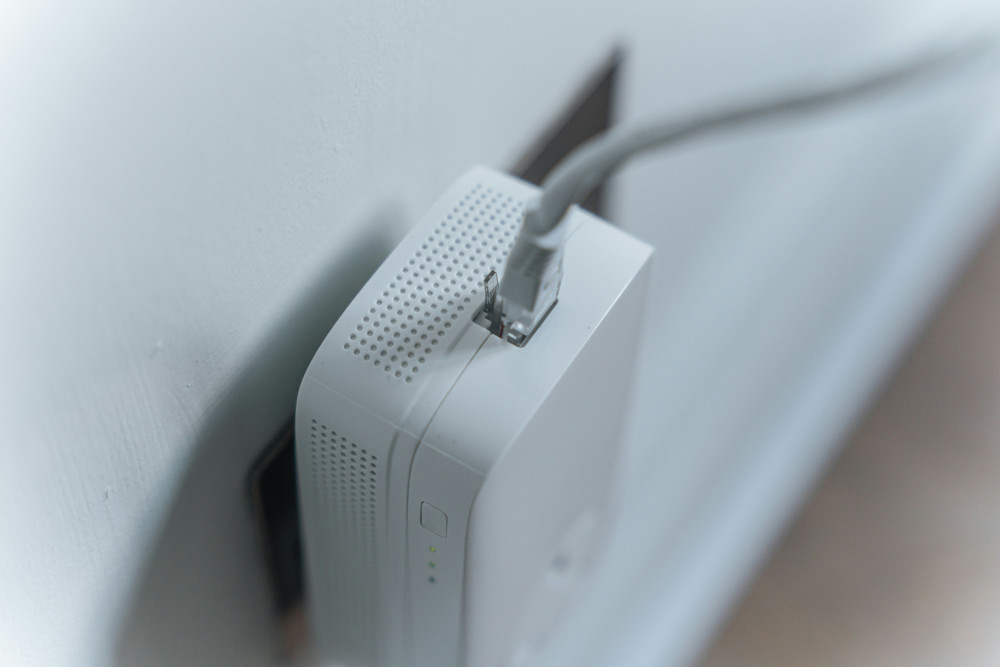
- Ensure strong Wi-Fi or mesh coverage. Outdoor areas may need an extra hub or extender to maintain a stable connection.
- Plan your layout. Identify where lighting is most useful: along walkways, near the garage, on the patio, or around landscaping features.
Once your hardware is in place, you can start setting up automations.
Automate by the Sun’s Rhythm
One of the most natural ways to control outdoor lighting is to let it follow sunrise and sunset. Most smart home systems can automatically adjust on/off times based on your location, so you never have to reprogram them as the days grow longer or shorter.
For example:
- Turn on at sunset, off at midnight. Ideal for driveways and front porches.
- Turn on 30 minutes before sunrise. Perfect for early risers heading out before dawn.
- Gradually dim after 10 p.m. Creates a calm atmosphere and saves energy.
Combine solar-based scheduling with motion sensors for even greater efficiency — lights only turn on when there’s activity.
Motion Sensors and Schedules
Motion sensors are a classic feature, but in a smart home they can do much more than just switch lights on. You can set them to activate only when it’s dark, or to trigger specific color temperatures when you arrive home.
Schedules can complement sensors. Maybe you want your backyard lights on during weekend evenings but off on weekdays. Or perhaps your front porch light should always turn on at 5 p.m. during winter months. All of this can be managed from your smartphone — or hands-free through Alexa, Google Assistant, or Siri.
Læs også:
Create Atmosphere with Colors and Scenes
Outdoor lighting doesn’t have to be purely practical. With color-changing LED bulbs, you can set the mood for any occasion — from a summer barbecue to a cozy winter evening. Many systems offer preset “scenes” that adjust brightness and color temperature throughout the day.
A warm amber glow can make your patio feel inviting, while cool white light highlights architectural details or garden features. You can even sync lighting with the weather — softer tones on cloudy days, brighter hues on clear nights.
Energy Efficiency and Sustainability
Automation isn’t just about convenience — it’s also about using energy wisely. LED bulbs consume far less power than traditional ones, and when paired with sensors and schedules, they can cut your energy use even further.
If you have solar panels or use a time-of-use electricity plan, consider integrating your lighting system with your energy management app. That way, your lights can automatically adjust to take advantage of lower-cost or renewable energy periods — good for both the planet and your utility bill.
Safety and Maintenance
Outdoor electronics must withstand the elements. Make sure your fixtures and sensors are rated for outdoor use (look for at least IP44 or higher). Check periodically that your network connection is stable and that firmware is up to date — this ensures both reliable operation and data security.
If you’re traveling, enable “away mode” or “presence simulation,” where lights turn on and off at random intervals. It makes your home look occupied and adds peace of mind while you’re away.
Lighting That Lives With You
When your outdoor lighting adapts to the sun’s rhythm and your lifestyle, it becomes a seamless part of everyday life. You no longer have to think about flipping switches — your home simply feels more alive, welcoming, and secure.
Automated lighting is one of the simplest ways to experience the benefits of smart home technology. It blends functionality, beauty, and sustainability — and the best part is, you can start small with a single bulb or sensor and expand as your needs grow.
Læs også: