Wireless Technology – Connect Your Devices Without Cables

Wireless Technology – Connect Your Devices Without Cables
Wireless technology has transformed the way Americans live, work, and communicate. Not long ago, nearly every device required a cable — from internet connections to music players. Today, we can link almost anything — smartphones, laptops, speakers, watches, and even kitchen appliances — without a single wire. But how does this technology actually work, and what should you know to get the most out of your wireless devices?
From Cables to Freedom
Wireless technology refers to a range of systems that transmit data without physical connections. These systems use radio waves, infrared light, or microwaves to send information through the air. The most common standards today are Wi-Fi, Bluetooth, NFC, and cellular networks such as 4G and 5G.
- Wi-Fi provides internet access at home, in offices, and in public spaces like airports and coffee shops.
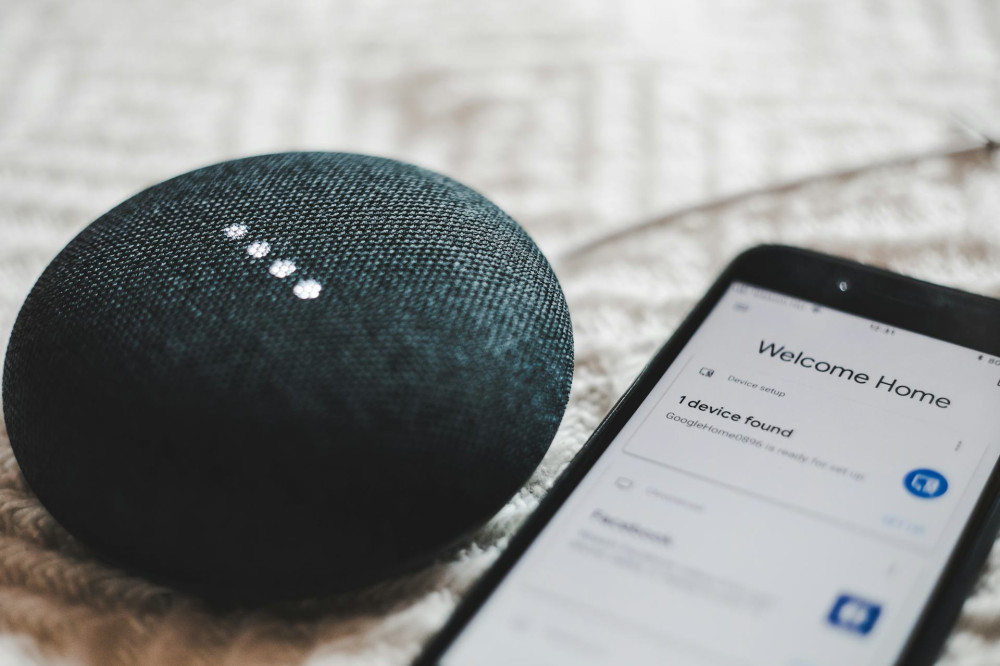
- Bluetooth connects devices over short distances — for example, wireless headphones, keyboards, and smartwatches.
- NFC (Near Field Communication) allows you to make contactless payments or share small amounts of data by simply holding two devices close together.
- 5G is the latest generation of mobile networks, offering lightning-fast speeds and low latency — perfect for streaming, gaming, and the Internet of Things (IoT).
All of these technologies give us the freedom to move, work, and communicate without being tied to a plug.
How the Technology Works
Wireless communication relies on the transmission of signals through the air. A transmitter converts data into electromagnetic waves, which a receiver then captures and translates back into usable information. For instance, your smartphone sends audio data via Bluetooth to your wireless earbuds, which then convert the signal into sound.
To prevent interference, different technologies use different frequency bands. Wi-Fi typically operates on 2.4 GHz and 5 GHz, while Bluetooth also uses 2.4 GHz but employs a technique called frequency hopping to minimize noise. This allows multiple wireless devices to operate simultaneously without significant disruption.
Advantages and Drawbacks
The biggest advantage of wireless technology is freedom. You can move around without tangled cords, connect devices in seconds, and enjoy a more flexible lifestyle — whether at home, at work, or on the go.
However, there are some downsides. Wireless connections can be less stable than wired ones, especially in areas with many competing signals or thick walls that weaken the signal. Wireless communication also consumes more power, which can shorten battery life on portable devices.
Security is another key concern. Without cables, data can potentially be intercepted if the connection isn’t encrypted. To stay safe, use strong passwords, keep your firmware updated, and avoid public networks when handling sensitive information.
Læs også:

Wireless Technology in Everyday Life
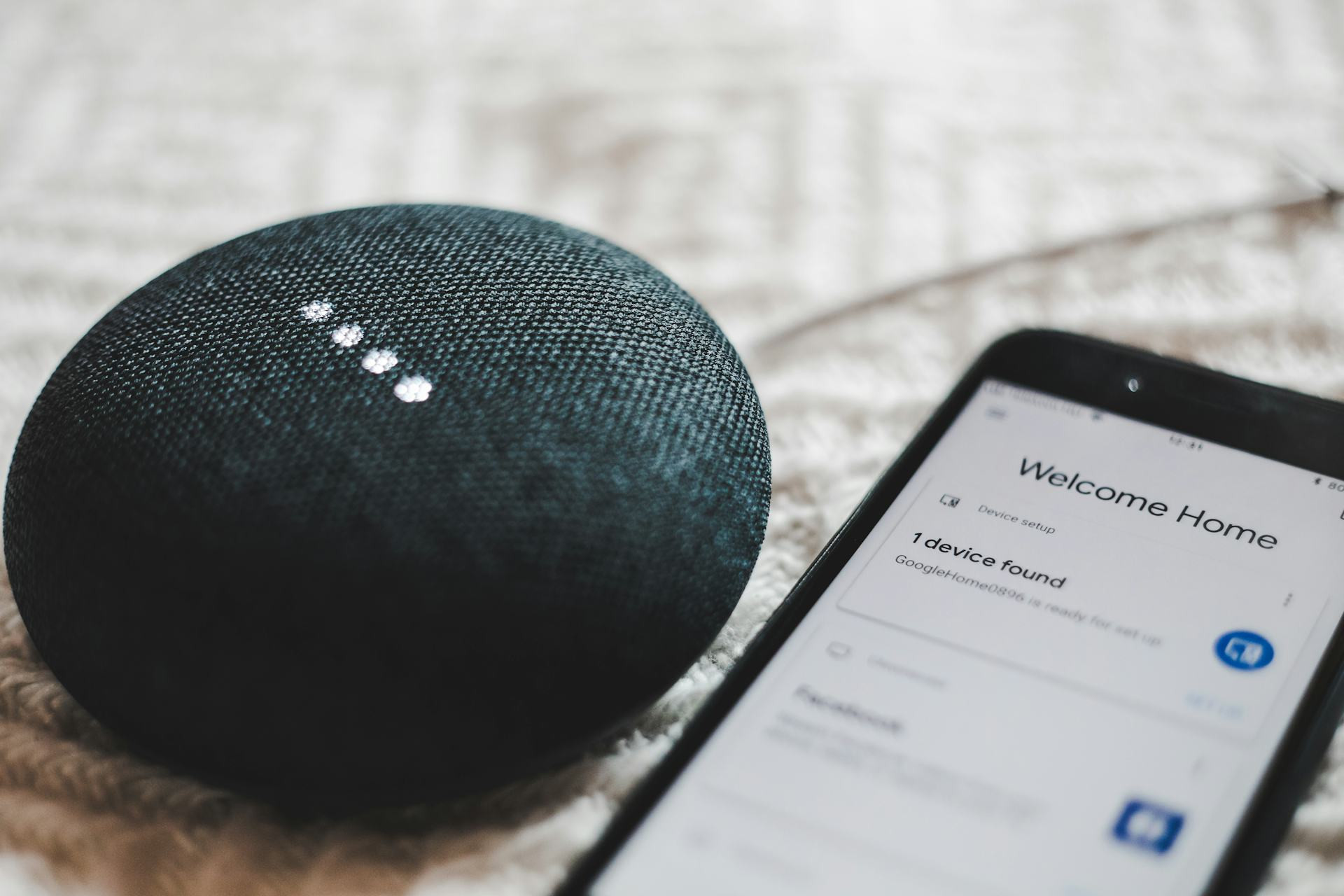
Wireless technology is now part of nearly everything around us. At home, Wi-Fi connects computers, tablets, smart TVs, and even thermostats and security cameras. Bluetooth makes it easy to stream music throughout the house, while wireless chargers eliminate the need for cords for phones and earbuds.
In the workplace, wireless networks enable flexible offices where employees can move freely between meeting rooms and desks. In transportation, wireless communication powers GPS navigation, vehicle safety systems, and even electric vehicle charging stations.
The healthcare industry also benefits from wireless innovation — from wearable sensors that monitor patients’ health in real time to telemedicine platforms that connect doctors and patients across the country.
The Future Is Even More Connected
The evolution of wireless technology is far from over. With the Internet of Things, more and more devices are being linked together — from refrigerators that reorder groceries to sensors that manage energy use in buildings. Meanwhile, 5G and upcoming Wi-Fi 7 standards promise even faster, more reliable connections capable of handling massive amounts of data.
In the future, wireless technology won’t just connect our devices — it will create intelligent systems that collaborate and adapt to our needs. This means greater comfort, efficiency, and sustainability — but also a growing need to focus on data security and responsible use.
Getting the Most Out of Your Wireless Devices
To enjoy a stable and secure wireless experience, follow a few simple tips:
- Place your router centrally in your home for the best coverage.
- Update firmware on routers and devices regularly.
- Use strong passwords and WPA3 encryption on your Wi-Fi network.
- Turn off devices you’re not using to save power and reduce security risks.
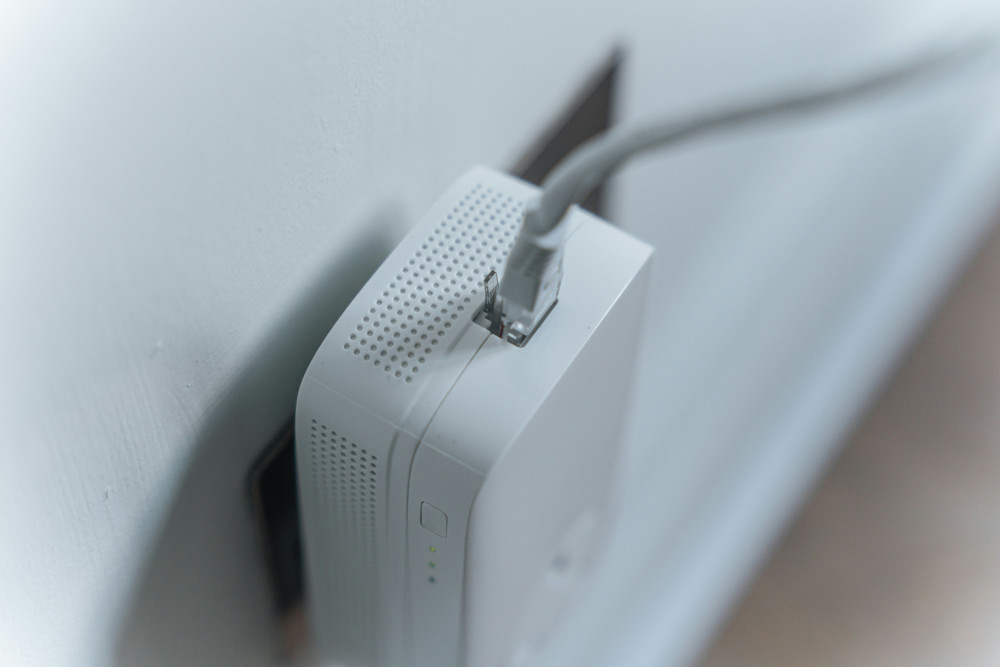
- Consider a mesh network if you have a large home with multiple rooms.
With a little care, you can enjoy the best of both worlds: the freedom of wireless technology and the reliability of a well-configured system.
A World Without Cables — But Full of Connections
Ultimately, wireless technology is about more than convenience. It enables connections — between people, machines, and ideas — across distances and boundaries. When used wisely, it can make daily life easier, work more efficient, and the world more connected. The future is wireless — and it’s already here.
Læs også: