Keep Your Internet in Top Shape: How to Properly Update Your Equipment

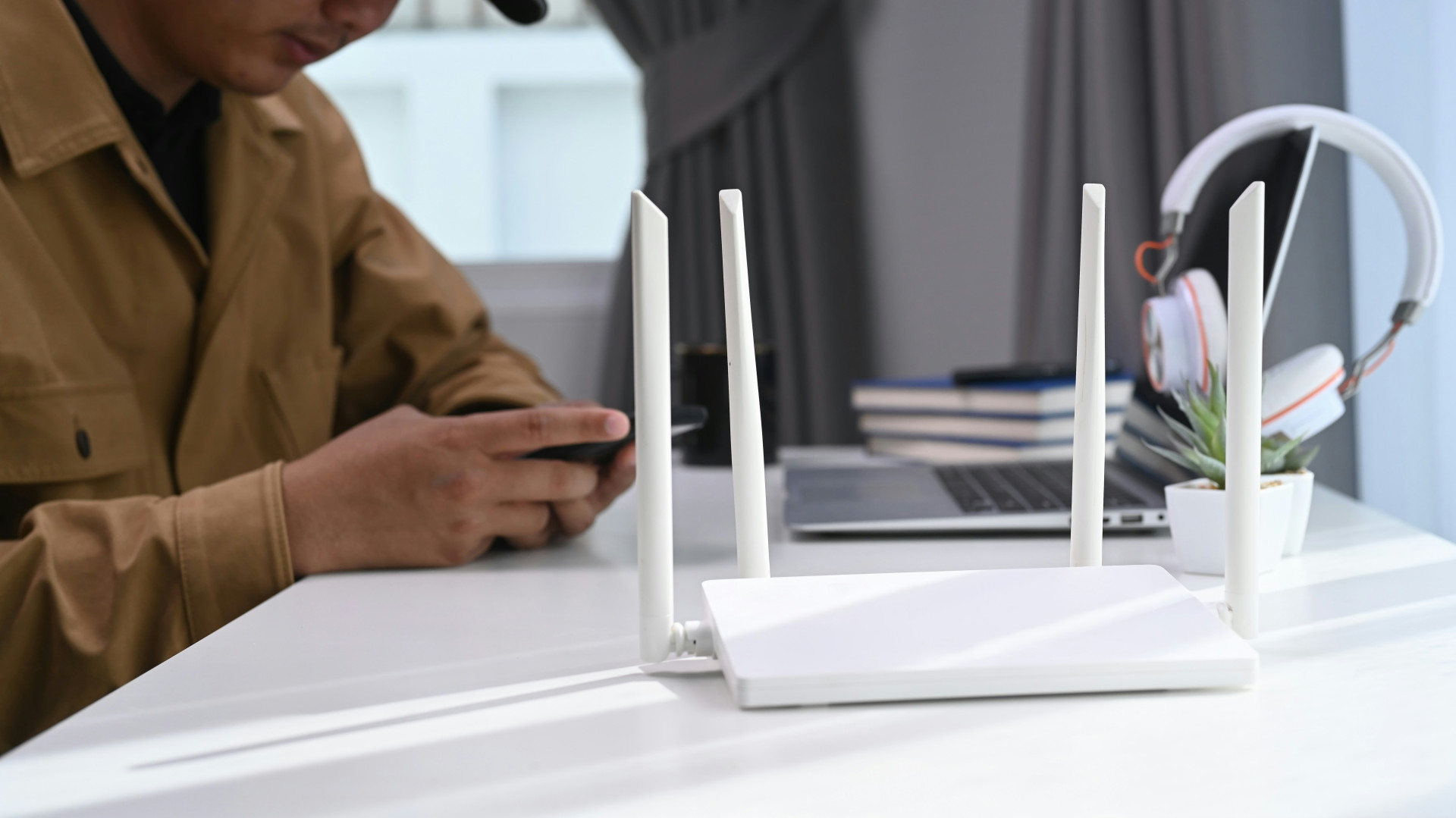
Keep your connection fast and reliable with a few simple equipment updates
Broadband
Broadband
7 min
Slow internet isn’t always your provider’s fault—sometimes your own devices need a refresh. Learn how to update your router, modem, and cables to boost speed, stability, and security for all your online activities.
Serenity Diaz
Serenity
Diaz

Keep Your Internet in Top Shape: How to Properly Update Your Equipment

Keep your connection fast and reliable with a few simple equipment updates
Broadband
Broadband
7 min
Slow internet isn’t always your provider’s fault—sometimes your own devices need a refresh. Learn how to update your router, modem, and cables to boost speed, stability, and security for all your online activities.
Serenity Diaz
Serenity
Diaz

A fast and reliable internet connection has become essential for everyday life—whether you’re working from home, streaming your favorite shows, or gaming online. But even the best internet service can slow down or become unstable if your equipment isn’t properly maintained. Many people forget that routers, modems, and cables also need regular updates and care to perform at their best. Here’s a guide to keeping your internet in top shape by updating your equipment the right way.

Why Updates Matter

Your router and modem are the heart of your home network. They distribute the signal from your internet service provider (ISP) to all your devices. Like computers and smartphones, these devices run on built-in software—called firmware—that needs to be updated regularly.

Firmware updates can:

  • Improve performance and deliver faster speeds.
  • Fix security vulnerabilities, protecting your network from hackers.
  • Resolve bugs and stability issues that cause dropouts.
  • Add new features, such as better device management or improved Wi-Fi coverage.

If you’ve never updated your router, you might be missing out on both speed and security.

How to Check if Your Router Needs an Update

Most modern routers have a web interface or mobile app where you can log in and check the status of your device. There, you can usually find the firmware version and the date of the last update.

  1. Find your router’s IP address—often printed on a label underneath the device (for example, 192.168.1.1).
  2. Log in using your username and password.
  3. Look for a section labeled “Firmware,” “System Update,” or “Advanced Settings.”
  4. See if a newer version is available and follow the instructions to install it.

Some newer routers can update automatically, but it’s still a good idea to check manually a few times a year.

Replace Old Equipment When Needed

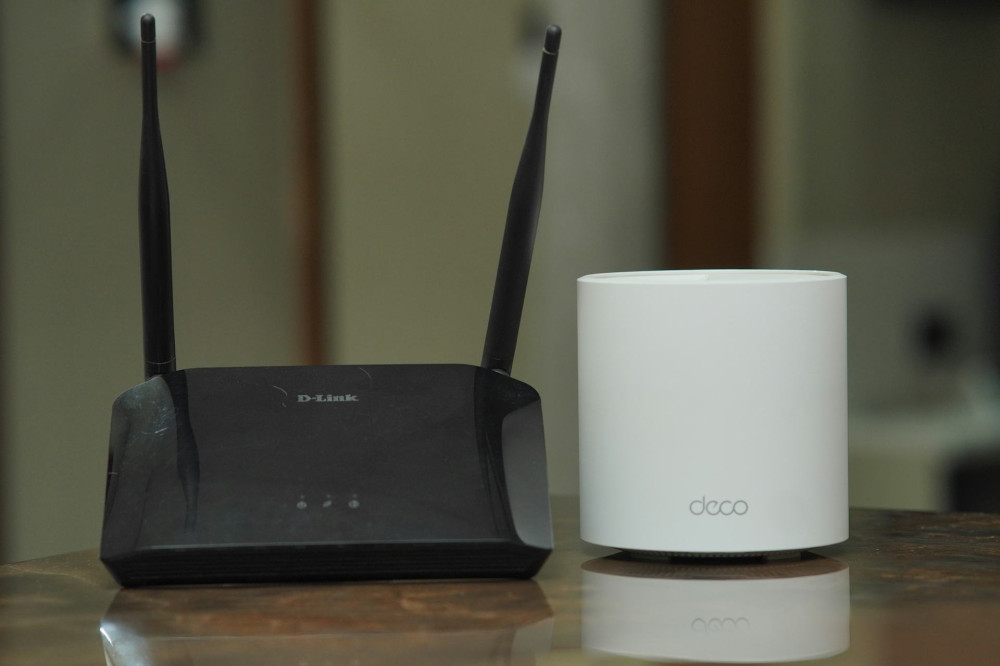
Even with updates, older equipment can become a bottleneck. Routers typically last about 4–6 years, and technology evolves quickly. If you’re still using a model that only supports older Wi-Fi standards like 802.11n, you won’t be able to take full advantage of the speeds your ISP provides.

Consider upgrading if:

  • You experience weak signals or dead zones in your home.
  • Multiple devices struggle to stay connected.
  • You’ve upgraded your internet plan but haven’t noticed faster speeds.

A new router with Wi-Fi 6 or Wi-Fi 6E can significantly improve coverage and speed—especially in homes with many connected devices.

Don’t Forget Cables and Placement

Even the best equipment can’t perform well if it’s poorly placed or connected with worn-out cables. Position your router in a central, open area of your home, away from walls, metal objects, and other electronics that can interfere with the signal. Avoid hiding it in a cabinet—it can weaken the Wi-Fi signal.

Check your cables, too:

  • Use Cat 6 or Cat 7 Ethernet cables for maximum speed.
  • Replace cables that are bent, frayed, or damaged.
  • Make sure all connections are secure between your router, modem, and wall outlet.

Small adjustments can make a big difference in signal strength and stability.

Give Your Devices a Fresh Start

After updating your router, it’s a good idea to restart all the devices connected to your network. This ensures they get new IP addresses and reconnect properly to the updated system.

You can also tidy up your network by removing old or unused devices—like an old tablet or printer. This frees up resources and reduces the chance of connection conflicts.

Security: Don’t Forget Your Password

Keeping your equipment updated also means keeping it secure. Always use a strong password for both your Wi-Fi network and your router’s admin page. Avoid default passwords like “admin” or “1234.”

If your router supports it, enable WPA3 encryption—the latest and most secure Wi-Fi standard. And if guests have had access to your network for a while, consider changing your password afterward.

A Small Effort with Big Results

Updating and maintaining your internet equipment doesn’t take much time, but it can make a big difference in speed, stability, and security. Make it a habit to check your router a couple of times a year—just like you update your computer or phone.

A well-maintained network not only gives you faster internet but also peace of mind. You’ll avoid frustrating interruptions and get the most out of the service you’re paying for.

6 mistakes to avoid in your IT career: advice for success
Gain insight into which traps many IT professionals fall into and how you can avoid them. This e-book offers tips for career development, networking and skill building so you can advance your career in the IT industry.
Download e-book
Keep Your Internet in Top Shape: How to Properly Update Your Equipment
Keep your connection fast and reliable with a few simple equipment updates
Broadband
Broadband
Internet
Wi-Fi
Technology
Home Network
Connectivity
7 min
Slow internet isn’t always your provider’s fault—sometimes your own devices need a refresh. Learn how to update your router, modem, and cables to boost speed, stability, and security for all your online activities.
Serenity Diaz
Serenity
Diaz
Get More Stable Gaming with a Cable: Why Wired Is Better Than Wi-Fi
Level up your gaming performance with a faster, more reliable wired connection
Broadband
Broadband
Gaming
Internet Connection
Wired Network
Online Performance
Tech Tips
3 min
Tired of lag ruining your online matches? Discover why switching from Wi-Fi to a wired connection can make all the difference for smoother, more stable gameplay. Learn how a simple cable can boost your speed, reduce latency, and give you the edge in every game.
Sophia Moore
Sophia
Moore
Avoid Crowded Wi‑Fi Channels – Choose the Right Frequency
Boost your Wi‑Fi performance by selecting the optimal channel and frequency band
Broadband
Broadband
Wi‑Fi
Internet
Home Network
Technology
Connectivity
7 min
Struggling with slow or unstable Wi‑Fi? Learn how crowded channels can affect your connection and discover simple ways to choose the right frequency for faster, more reliable internet at home.
Ryan Phillips
Ryan
Phillips
Smart Devices Without Network Chaos: How to Avoid and Distribute the Load in Your Home Network
Keep your smart home running smoothly with a balanced and reliable Wi-Fi setup
Broadband
Broadband
Smart Home
Wi-Fi
Home Network
Technology
Internet Connectivity
3 min
As smart devices multiply in modern homes, network congestion can quickly become a daily frustration. Learn how to manage bandwidth, separate network zones, and optimize your router to ensure every connected gadget performs at its best.
Ember Taylor
Ember
Taylor
Why Is Your Wi‑Fi Slowing Down? Here Are the Main Reasons
Discover what’s really behind your slow Wi‑Fi and how to speed it up
Broadband
Broadband
Wi‑Fi
Internet Speed
Home Network
Technology
Troubleshooting
3 min
Is your internet connection crawling when you need it most? From overloaded networks to outdated routers and poor placement, several factors can drag down your Wi‑Fi performance. Learn the main reasons for slow speeds—and how to get your connection back on track.
Camila Hall
Camila
Hall
Segmentation Made Simple: Discover Differences and Patterns in Your Data
Turn complex data into clear insights with simple segmentation techniques
Tech
Tech
Data Analysis
Segmentation
Business Insights
Data Visualization
Marketing Analytics
3 min
Learn how to divide your data into meaningful groups to uncover patterns, differences, and trends. This guide shows you how to get started with segmentation using practical steps and accessible tools—no advanced technical skills required.
Serenity Diaz
Serenity
Diaz
Relax in VR: Virtual Reality as Mental Unwinding
Discover how virtual reality is transforming relaxation and mental wellness
Tech
Tech
Virtual Reality
Mental Health
Mindfulness
Technology
Wellness
5 min
Step into a new dimension of calm. Explore how virtual reality is being used beyond gaming to promote mindfulness, reduce stress, and support emotional balance. Learn how VR experiences can help you unwind and recharge in a digital world.
Sophia Moore
Sophia
Moore
Future technology should feel natural – here’s how to make it happen in practice
How human-centered design can make advanced technology feel effortless and intuitive
Tech
Tech
Future Technology
Human-Centered Design
Artificial Intelligence
Digital Well-Being
Innovation
6 min
As technology becomes more integrated into our lives, the challenge is to make it feel natural rather than overwhelming. This article explores how designers, developers, and innovators can create future technologies that adapt to people—blending seamlessly into daily routines while supporting well-being and ethical use.
Ryan Phillips
Ryan
Phillips
Health Data in Your Hands: How IoT Gives You Insight into Your Body
Discover how connected devices turn everyday data into powerful insights about your health
Tech
Tech
Internet of Things
Health Technology
Wearables
Data Privacy
Personal Health
3 min
From fitness trackers to smart scales, the Internet of Things is transforming how we understand our bodies. Learn how these technologies collect, analyze, and share health data—helping you make informed choices, stay motivated, and take control of your well-being.
Ember Taylor
Ember
Taylor