Practical guide to choosing a fiber blowing machine

Practical guide to choosing a fiber blowing machine
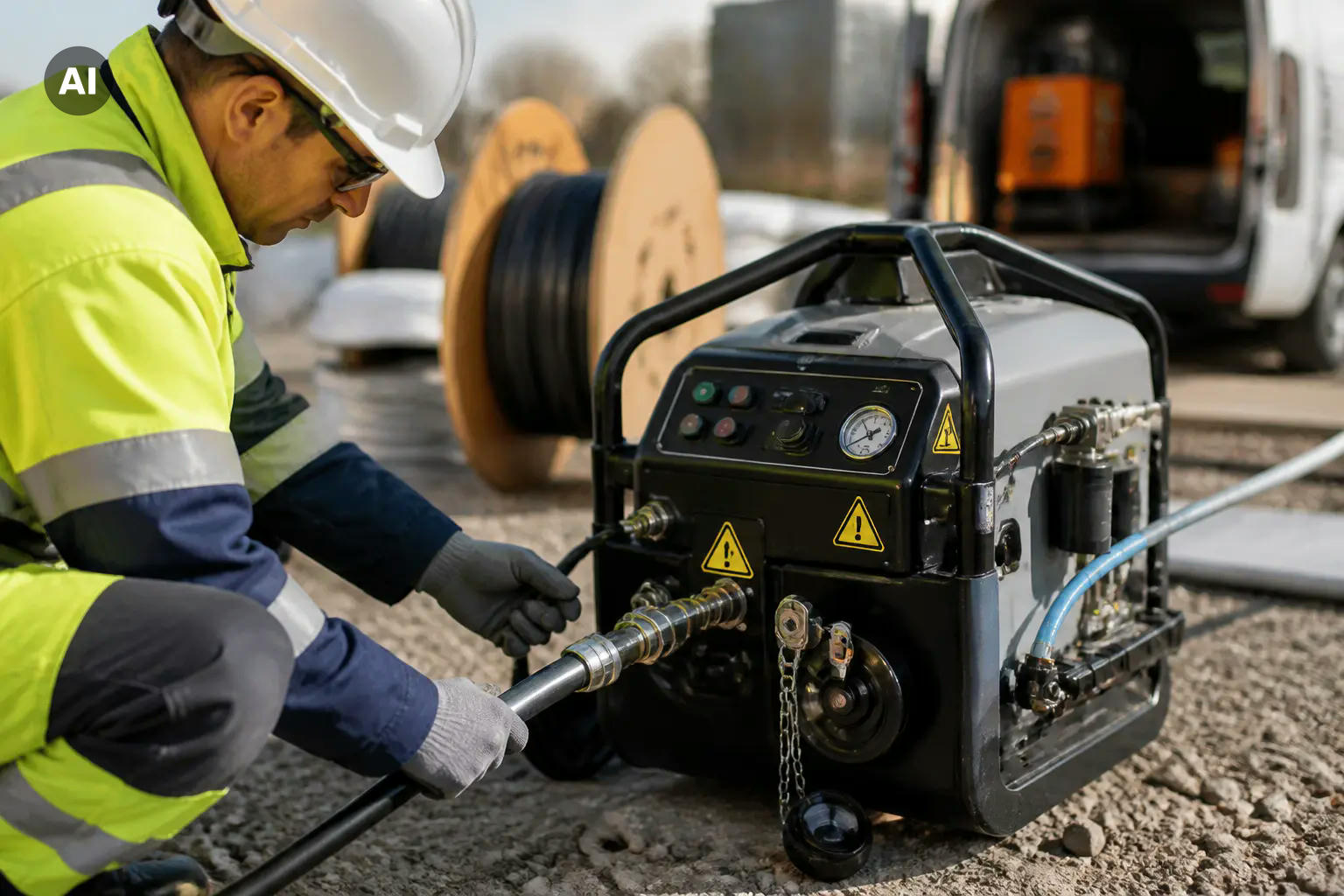
A fiber blowing machine is a specialised device for installing optical fibre into conduit using air or a combination of air and mechanical feed. Professionals choose a machine based on the type of cable, the length and diameter of ducts, and the conditions at the worksite.
Understanding the right machine reduces downtime and helps ensure fibres are installed with minimal tension and damage.
Types and how they differ
Different machine types suit different tasks: compact portable units are built for short runs and frequent relocations, while larger, towable units handle longer continuous pulls. Each type balances feed control, air supply, and portability; for example, portable machines tend to prioritise ease of setup and lower weight, whereas larger machines focus on sustained pressure and higher throughput.
Consider also whether the machine offers air-only blowing, mechanical feeding, or a hybrid method. Air-only systems can be quicker for lightweight microducts but may struggle with heavier or stiffer cable constructions; hybrid machines add mechanical assist to manage friction and longer distances.
Key selection criteria
Match machine capabilities to the physical constraints of your projects. Pay attention to the maximum recommended cable diameter, duct size compatibility, and the effective blowing distance the manufacturer states for a given cable type.
- Operational control: look for variable speed and pressure control to adapt to changes in duct condition.
- Setup time: machines that allow rapid reconfiguration reduce idle time between jobs.
- Transport and mounting: check weight, wheelbase or skid options, and how the unit integrates with trailers or vehicles.
Evaluate user ergonomics and serviceability; a machine that is easier to configure and maintain will lower operating disruption across multiple daily jobs.
Typical setup and practical tips
Prepare the line before attaching the machine by inspecting ducts for debris, bends and blockages and by verifying cable lubrication recommendations if required. Position the machine so the feed axis aligns with the duct entry to avoid induced bend stress, and confirm pressure gauges and feed sensors are visible to the operator.
When comparing options for varied workflows, remember that some vendors present a range of models to cover light, medium and heavy installation tasks. For hands-on comparison, a hands-on trial with a representative run provides the clearest picture of how a given fiber blowing machine handles device setup, changeovers and reaction to common field conditions such as short-radius bends and intermittent obstructions.
Maintenance and common issues
Regular maintenance preserves precision: check seals, bearings and drive rollers for wear, and keep air filters and compressors serviced to maintain consistent pressure. Replace consumable components according to usage rather than a fixed schedule if your operations vary by season or project type.
Track performance anomalies to spot underlying problems early; for example, a gradual rise in required pressure can indicate increased friction from duct contamination or a deteriorating drive element. Establishing simple pre- and post-job checks reduces the likelihood of mid-job failures and simplifies troubleshooting when issues do occur.
Training is also part of maintenance: operators familiar with the machine’s alarms, reset procedures and safe handling practices can prevent many common errors that otherwise lead to downtime.
Choosing the right equipment and treating it as part of a system, including site preparation, operator skill and routine care, yields more predictable installations and fewer repeat visits for repairs or re-pulls.